

5182 Aluminum Alloy


5182 Aluminum Alloy for Forming: What to Specify Before Ordering
5182 aluminum alloy is a high-magnesium Al-Mg grade designed for demanding forming work. It is widely used for beverage can ends, pull tabs, automotive inner panels, closures, and formed industrial parts where cracking, earing, and inconsistent strength can cause expensive rejection.
For purchasing teams handling flat-rolled aluminum products, the main concern is not only price. The real risk is receiving material that meets the alloy name but fails during stamping, drawing, coating, or assembly. This article focuses on one critical product feature: stable formability.
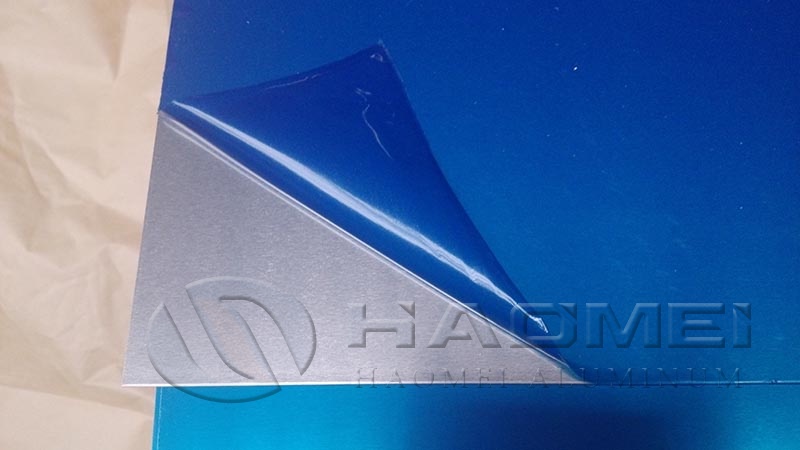
1. What 5182 Aluminum Is Best At
AA5182 belongs to the non-heat-treatable 5xxx series. Its strength comes mainly from magnesium solid-solution strengthening and cold work, not from heat treatment. That makes temper control, coil history, lubrication behavior, and surface quality especially important.
Typical applications include:
Beverage can ends and tabs, where strength and forming consistency matter.
Automotive inner panels, brackets, and reinforcement parts.
Closures and caps requiring good drawability.
Formed parts exposed to moisture or mild chemicals.
Painted or coated products that need clean, uniform surfaces.
When the order requires repeated deep drawing or tight forming windows, review the available specifications for Aluminum 5182 before finalizing temper and thickness tolerance.
Verified Composition Range
The composition below reflects commonly published AA5182 limits under Aluminum Association registration, ASTM B209/B209M, and EN 573-3 frameworks. Always confirm the exact limits against the mill test certificate and your contract standard.
| Element | Typical limit, % by mass | Why it matters |
|---|---|---|
| Mg | 4.0-5.0 | Main strength contributor and forming response |
| Mn | 0.20-0.50 | Improves strength and grain control |
| Fe | 0.35 max | Excess can reduce ductility and surface quality |
| Si | 0.20 max | Controlled to support formability |
| Cu | 0.15 max | Usually limited for corrosion behavior |
| Zn | 0.25 max | Controlled impurity level |
| Cr | 0.10 max | Grain and structure influence |
| Ti | 0.10 max | Grain refinement during casting |
| Al | Balance | Base metal |
2. Temper Selection: Match the Forming Process
Do not choose temper by habit. Select it from the forming operation, part geometry, coating route, and final strength target.
| Temper | Common use | Practical instruction |
|---|---|---|
| O | Deep drawing and complex forming | Use when elongation is more important than strength |
| H111 | Light strain-hardened product | Suitable for mild forming and general fabrication |
| H19 | Can end and tab stock in high-strength condition | Require tight mechanical control and surface inspection |
| H48 | Often used for coated can end applications | Confirm paint-bake response and flatness after coating |
Mechanical properties vary by thickness, temper, and governing standard. ASTM B209/B209M and EN 485-2 both require property confirmation by product form and temper. For critical stamping programs, request tensile strength, yield strength, elongation, bend test data if applicable, and earing test results.
3. Comparison With Similar 5xxx Alloys
5182 is often compared with 5052, 5083, 5454, and 5754. The right choice depends on forming severity, corrosion environment, temperature exposure, and required strength.
| Alloy | Relative strength | Formability | Common advantage | When not to select it |
|---|---|---|---|---|
| 5182 | High | Very good in correct temper | Excellent for can ends and formed auto parts | Not ideal where marine structural strength is the main requirement |
| 5052 | Medium | Good | Easier general fabrication | May lack strength for demanding can end or tab work |
| 5083 | Very high | Moderate | Marine and cryogenic strength | More difficult forming than 5182 |
| 5454 | Medium-high | Good | Better high-temperature service than some 5xxx grades | Not the first choice for can end stock |
| 5754 | Medium | Very good | Automotive and general forming | Lower strength than 5182 in many tempers |
For road tanker shells or parts exposed to elevated service temperatures, compare 5182 with Aluminum 5454, because 5454 is often selected where stability in warmer transport environments is required.
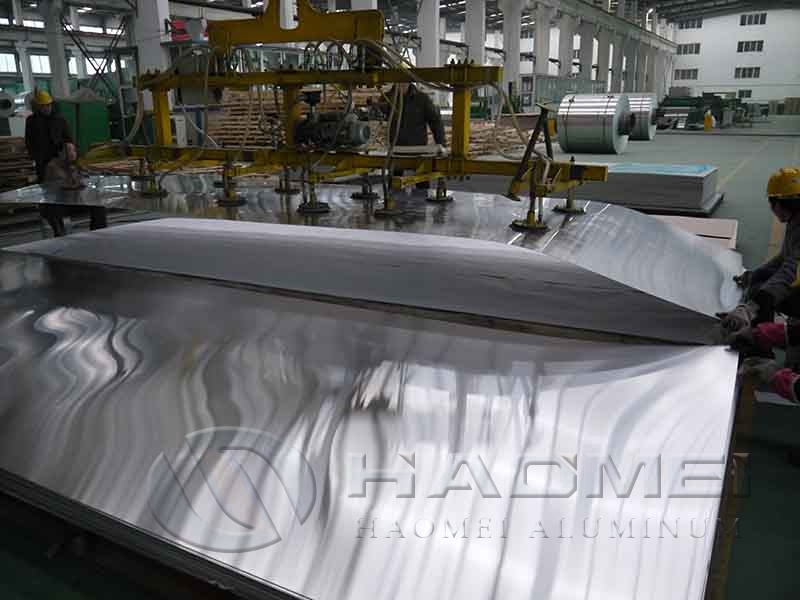
4. QC Checklist to Prevent Cracking and Earing
Use this checklist before approving mass production material.
Incoming Material Checks
Confirm alloy designation: AA5182 or EN AW-5182, matching the purchase contract.
Verify standard: ASTM B209/B209M, EN 485, EN 573-3, or agreed customer specification.
Check temper, thickness, width, coil ID, coil OD, and edge condition.
Review mill test certificate for chemistry and tensile properties.
Inspect surface for oil stain, roll mark, black line, dent, scratch, and oxidation.
Require flatness and camber data for automated feeding lines.
Check packaging for moisture barriers, especially for export shipments.
Forming Trial Checks
Run trial blanks at normal line speed, not only at slow setup speed.
Measure earing height after drawing; excessive earing raises trimming loss.
Record crack location, direction, and relation to rolling direction.
Compare lubricant amount and surface roughness with prior successful runs.
For coated stock, test adhesion, bake response, and post-bake mechanical change.
If cracks appear at the cup wall or tab rivet area, do not immediately blame the press. Ask for grain size, earing profile, tensile direction data at 0 degrees, 45 degrees, and 90 degrees, and surface roughness range. These data often identify whether the issue comes from material anisotropy, incorrect temper, poor lubrication, or tooling wear.
5. Standards and Compliance to State on the Order
A precise contract reduces disputes. Add the following items to the purchase specification:
| Requirement | What to state |
|---|---|
| Product standard | ASTM B209/B209M or EN 485 series |
| Alloy standard | AA5182 or EN AW-5182 under EN 573-3 |
| Temper | O, H111, H19, H48, or customer-approved temper |
| Surface | Mill finish, degreased, coated, or pretreated |
| Tolerances | Thickness, width, length, diagonal, flatness, camber |
| Test documents | EN 10204 3.1 certificate if required |
| Food contact | Coating and finished article compliance, not alloy alone |
| Automotive | PPAP, IMDS, IATF 16949 supply route if applicable |
For packaging applications, food-contact compliance normally depends on coatings, lubricants, inks, and the final article. In the EU, review Regulation (EC) No 1935/2004 and related national measures. In the United States, review applicable FDA 21 CFR provisions for the finished food-contact system. The bare alloy certificate is not a substitute for finished product compliance.
6. Pricing Structure: How to Read a 5182 Quote
5182 aluminum pricing is usually built from transparent and variable components:
| Cost item | How to verify it |
|---|---|
| Aluminum base | Reference LME official aluminum price on the agreed date |
| Regional premium | Confirm Midwest, European duty-paid, or other contract premium source |
| Conversion charge | Depends on thickness, width, temper, surface, and order complexity |
| Scrap spread | Important when recycled-content programs are requested |
| Packaging | Seaworthy wood, eye-to-wall, eye-to-sky, VCI, desiccant |
| Freight and insurance | State Incoterms 2020, destination, and currency |
| Hedging | Confirm pricing date, average period, and settlement rule |
Do not compare only the final unit price. A cheaper offer may allow wider thickness tolerance, lower flatness control, no earing data, or limited claim support. For can end, tab, or automotive forming programs, those omissions can cost more than the initial saving.
7. RFQ Data to Send for Faster Technical Matching
Send this list with the inquiry so the mill can recommend the correct route:
Alloy: 5182 aluminum alloy.
Standard: ASTM B209/B209M, EN 485, or customer specification.
Temper and target mechanical range.
Thickness, width, length or coil weight.
Application: can end, tab, closure, automotive inner part, or formed component.
Forming method: stamping, deep drawing, roll forming, or coating plus forming.
Surface requirement: mill finish, degreased, coated, pretreated, or painted.
Maximum allowed defects per surface side.
Required documents: MTC, RoHS, REACH declaration, IMDS, PPAP, or food-contact support documents.
Packing method, destination port, Incoterms 2020, and delivery schedule.
A well-specified 5182 order should connect alloy chemistry, temper, surface, forming test data, standards, and pricing formula in one document. That is the practical way to protect forming yield before the first coil reaches production.
Original Source:https://www.aluminumtankerplate.com/a/5182-aluminum-alloy.html
Tags: 5182 aluminum alloy , AA5182 , aluminum 5182 , 5182 aluminum specifications , aluminum alloy for forming ,
Prev:5182 Aluminum Sheet
Next:5182 Aluminum