

Aluminium Tanker Plate Manufacturer


Bulk tank truck programs require more than a sheet that meets a minimum chemistry. A dependable Aluminium Tanker Plate Manufacturer focuses on stable mechanical properties, consistent forming behavior, traceable inspection, and repeatable surface quality across every coil or plate. For petroleum, chemical, food grade, and cryogenic transport, the right alloy and temper selection can reduce weight, improve corrosion resistance, and support long service life under vibration and cyclic loading.
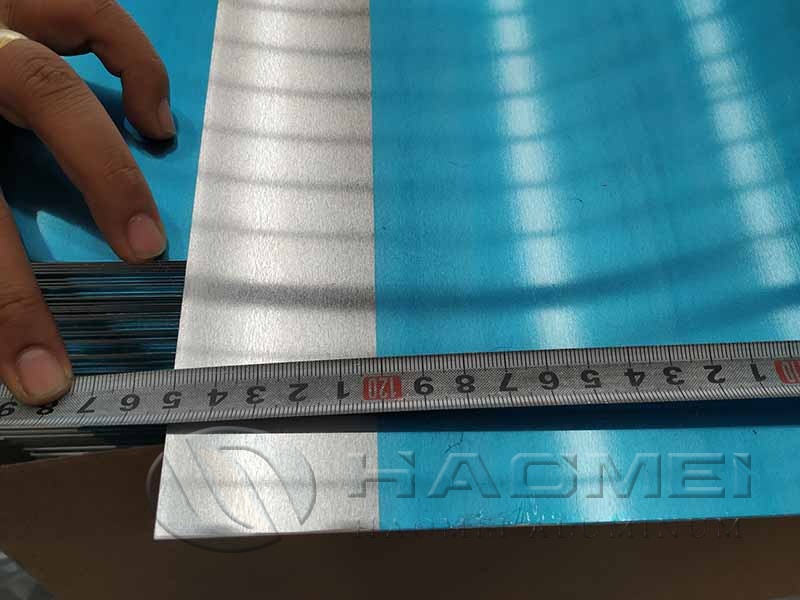
Materials and specifications commonly used in tank truck bodies
For road tanker shells, heads, baffles, and manway components, industry demand tends to center on Al Mg alloys because they combine high corrosion resistance with good weldability. The most specified grades include 5083, 5454, 5182, and 5754, selected based on cargo type, design code, forming radius, and welding procedure.
A manufacturer will typically supply in plate or sheet form, cut to length or slit to width, with mill test certificates and lot traceability. For product matching, many tank builders use Aluminium 5083 for higher strength requirements, while Aluminum 5454 is often specified where elevated temperature performance during service is a concern.
Below is a practical overview used in many tank truck procurement discussions.
| Alloy and temper, typical | Typical use in tanker fabrication | Key strengths | Notes for purchasing |
|---|---|---|---|
| 5083 H111 or H321 | Shell courses, heads, reinforcements | High strength, strong seawater corrosion resistance, good toughness | Control of grain structure and ultrasonic inspection can matter for thicker gauges |
| 5454 O or H32 | Chemical and fuel transport tanks, formed parts | Excellent corrosion resistance and good performance at moderate temperatures | Often chosen for tanks exposed to heat from product or environment |
| 5182 O or H32 | Heads and formed components | Good formability, weldability | Common for deep drawing and dished heads |
| 5754 O or H22 | Compartments, ancillary panels, brackets | Balanced strength and formability | Often selected when tighter bend radii are needed |
Common supply ranges depend on mill capability and design requirements. Many tank programs purchase 3 mm to 8 mm sheet for shells and partitions, and 8 mm to 16 mm plate for heads, stiffeners, and high stress zones. For large diameter tanks, width stability and flatness are important because they reduce fit up time during rolling and welding.
Manufacturing, quality control, and what to request on a quote
When evaluating a producer, bulk purchasers usually compare not only base price, but also how the material behaves in forming and welding. Tank fabrication can expose issues like inconsistent yield strength, edge cracking during rolling, or porosity sensitivity during welding. These risks can be reduced by specifying quality checkpoints up front.
Key manufacturing and QC points to discuss:
- Melt and process consistency. Ask whether the supply is direct from primary ingot routes, and whether the mill uses stable homogenization and rolling schedules for Mg alloys.
- Mechanical property stability. Request typical ranges for yield strength, tensile strength, and elongation by thickness, not just minimums.
- Surface requirements. Tank exteriors may need consistent appearance for branding and coating. Internal surfaces may require low defect levels to support hygiene or reduce crevice corrosion sites.
- Dimensional tolerances. Flatness, thickness tolerance, and camber control affect rolling and fit up efficiency.
- Inspection documentation. Mill test certificate by heat and lot, with clear traceability. For thicker plate, ultrasonic testing can be discussed when design codes or customer standards call for it.
- Packing and logistics. Export packaging, interleaving, moisture protection, and edge protection help prevent transit damage that becomes costly during fabrication.
A clear RFQ should include alloy, temper, thickness, width, length, target quantity, delivery term, required certificates, and whether you need cut to size sheets or coil. If your fabrication involves dished heads, mention the forming method because it influences the best temper choice.
Typical supply forms and processing options
To reduce in house processing, many programs ask the manufacturer to provide:
- Cut to length plates and sheets, with squareness control
- Slit coils for automated shell production lines
- Edge trimming for cleaner welding preparation
- Protective film for cosmetic surfaces

Some tank trucks also use tread pattern products for walkways and service platforms. While not part of the pressure retaining shell, matching alloy families can simplify corrosion management and finishing.
Pricing drivers and market trends for bulk tank truck orders
Sheet and plate pricing for tanker fabrication is typically influenced by several transparent drivers rather than a single number. In procurement planning, it helps to separate metal cost, conversion cost, and service cost.
| Pricing factor | What it changes | How to optimize in a bulk order |
|---|---|---|
| Primary aluminum and alloying elements | Base metal component | Fix pricing windows or use indexed pricing if your program runs monthly |
| Thickness and width | Rolling yield, scrap rate | Standardize gauges and widths across models when possible |
| Temper and property targets | Process steps and testing | Use the lowest temper that meets forming and strength requirements |
| Surface and flatness requirements | Additional control steps | Define realistic flatness to match your rolling and welding process |
| Testing and documentation | Added inspection costs | Specify only the inspections required by code and customer contracts |
| Packaging and delivery terms | Logistics and handling | Consolidate shipments and agree on packaging suitable for your route |
In current global markets, lead times and availability can fluctuate with transportation capacity and rolling mill utilization. Many fleet and tank builders reduce risk by locking in forecast quantities and approving alternates within the same alloy family for non critical components.
Applications in tank trucks and why the right plate matters
A qualified manufacturer supports a wide set of tanker applications:
- Fuel and petroleum transport, where corrosion resistance and weld integrity are essential
- Chemical transport, where compatibility and stress corrosion considerations influence alloy selection
- Food grade liquids, where clean surface quality and traceable certificates support compliance
- Dry bulk and pneumatic systems, where weight savings increase payload and operating efficiency
For bulk purchasers, the most valuable supplier is one that delivers consistent lots, fast feedback on technical questions, and stable lead times. When your forming dies, rolling process, and welding procedures are tuned to a specific alloy temper and property band, consistency is what protects throughput and reduces rework.
Original Source:https://www.aluminumtankerplate.com/a/aluminium-tanker-plate-manufacturer.html
Tags: Aluminium Tanker Plate Manufacturer , tank truck aluminum sheet ,