

5754 Aluminum


In the last three months, English-language searches and Q&A discussions around 5754 aluminum have focused on a practical issue: where it fits between easy-forming grades like 5052 and stronger marine grades like 5083. For companies sourcing material for transport, tanks, body panels, flooring, and fabricated parts, this alloy often appears in shortlist comparisons because it combines medium strength, good weldability, and solid corrosion resistance.
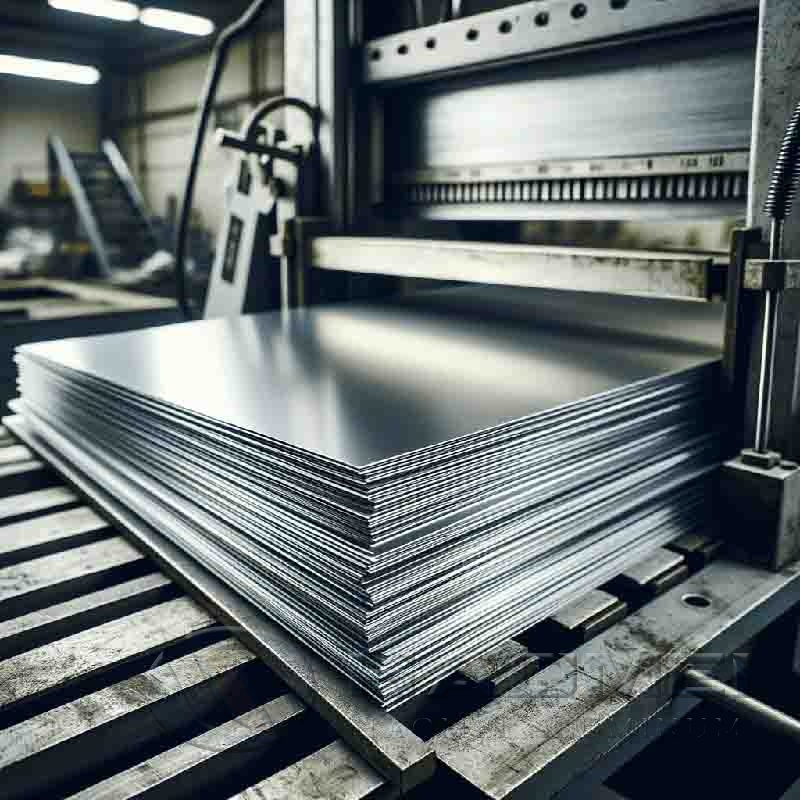
Below are five hot questions people have recently asked on platforms such as Google and Quora, followed by original answers written for first-time purchasers evaluating material options.
1. What is 5754 aluminum mainly used for?
5754 aluminum is a non-heat-treatable Al-Mg alloy from the 5xxx series. It is mainly used where manufacturers need a balance of corrosion resistance, moderate strength, and good forming performance. In real purchasing discussions, it often comes up for vehicle body panels, tank components, pressure-related structures with moderate load demands, flooring, ship-related parts, and industrial panels.
A simple way to understand 5754 is this: it is often chosen when 5052 feels slightly light on strength, while 5083 may be more than the job requires or more difficult to justify on cost and forming needs. That middle position is what makes it commercially attractive.
Common application areas include:
| Application area | Why 5754 is selected |
|---|---|
| Road transport panels | Good corrosion resistance and workable strength |
| Tank and vessel components | Suitable weldability and dependable performance |
| Marine interiors and structures | Better salt-environment resistance than many general alloys |
| Tread and flooring products | Durable surface and good fabrication response |
| Automotive parts | Light weight with decent formability |
In transport and tank fabrication, some buyers compare it with Tanker Plate options when deciding whether the project needs a higher-strength alloy family or a more economical balance of performance.
2. Is 5754 aluminum better than 5052?
This is one of the most common questions because both belong to the 5xxx series and both are known for corrosion resistance. The short answer is: not always better, but often stronger and more suitable for tougher service conditions.
5754 generally offers higher strength than 5052, especially in common tempers used for industrial fabrication. It also has very good resistance in marine and industrial atmospheres. If the part will see vibration, moisture, light chemicals, or moderate structural demands, 5754 is frequently the safer choice.
That said, 5052 remains highly popular because it is easier to source in many markets and is well known for excellent workability. For relatively simple covers, housings, and lightweight formed parts, 5052 may still be sufficient.
Here is a practical comparison:
| Item | 5052 | 5754 |
|---|---|---|
| Strength level | Medium | Medium to slightly higher |
| Corrosion resistance | Very good | Very good to excellent |
| Formability | Excellent | Very good |
| Welding | Very good | Very good |
| Common use tone | General fabrication | More demanding transport and marine service |
So, if the question is about value rather than labels, 5754 is often preferred when the design needs a little more mechanical confidence without moving into a much more specialized alloy.
3. Is 5754 aluminum good for marine or tanker use?
Yes, 5754 aluminum is widely considered suitable for marine-adjacent and tanker-related uses, especially where corrosion resistance matters but ultra-high strength is not the first priority. Its magnesium content helps it perform well in salty or humid environments, which is why it is regularly evaluated for ship components, dock equipment, vehicle tanks, and tank body structures.
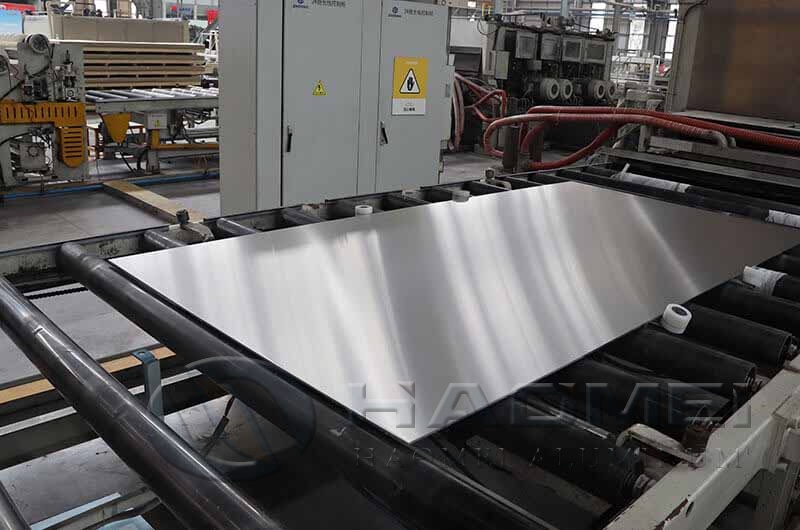
However, suitability depends on the exact service condition. For highly demanding marine structures or large welded tanks under tougher stress conditions, many engineers also compare 5754 with Aluminium 5083. 5083 is usually chosen when higher strength and stronger marine credentials are required. 5754, by contrast, is attractive when the fabrication route needs easier forming, stable corrosion performance, and balanced cost.
A practical rule is:
- Choose 5754 for balanced tank, transport, and marine-environment parts.
- Choose 5083 when the loading, certification, or structural severity is clearly higher.
This is why many inquiries are not asking whether 5754 is good or bad. They are really asking whether it is sufficient for the real operating environment. In many moderate-duty projects, the answer is yes.
4. Can 5754 aluminum be welded and formed easily?
Yes. This is one of its strongest commercial advantages. 5754 aluminum has very good weldability with standard industrial methods used for aluminum fabrication, including MIG and TIG processes. It is also known for good bending and forming behavior, especially in softer tempers.
For new purchasers, this matters because fabrication cost does not depend only on metal price. An alloy that bends more predictably and welds with fewer issues can reduce scrap, shorten production time, and improve consistency.
Still, there are two practical points to remember:
| Fabrication topic | Practical note |
|---|---|
| Welding | Strength in the heat-affected zone can drop, so design allowance matters |
| Bending | Tighter bend radii depend on temper and thickness |
| Surface finish | Protective film and handling affect final appearance |
| Tooling | Clean tools help avoid surface marks and contamination |
If appearance is important, ask suppliers about flatness, surface quality, and whether the material is intended for visible panels or industrial fabrication. These details matter as much as the base alloy name.
5. What should I check before ordering 5754 aluminum?
This is the most important commercial question because many problems come from incomplete specifications rather than the alloy itself. When ordering 5754 aluminum, ask for the full technical description, not only the alloy number.
The most useful checklist includes:
| Item to confirm | Why it matters |
|---|---|
| Temper | Affects strength, hardness, and formability |
| Thickness tolerance | Important for fabrication accuracy |
| Width and length | Determines yield and nesting efficiency |
| Surface condition | Matters for visible parts or further coating |
| Standard or specification | Confirms compliance for the project |
| End use | Helps supplier match the right production route |
Also ask how the material will be packed. Transport damage can erase the advantage of selecting the right alloy in the first place.
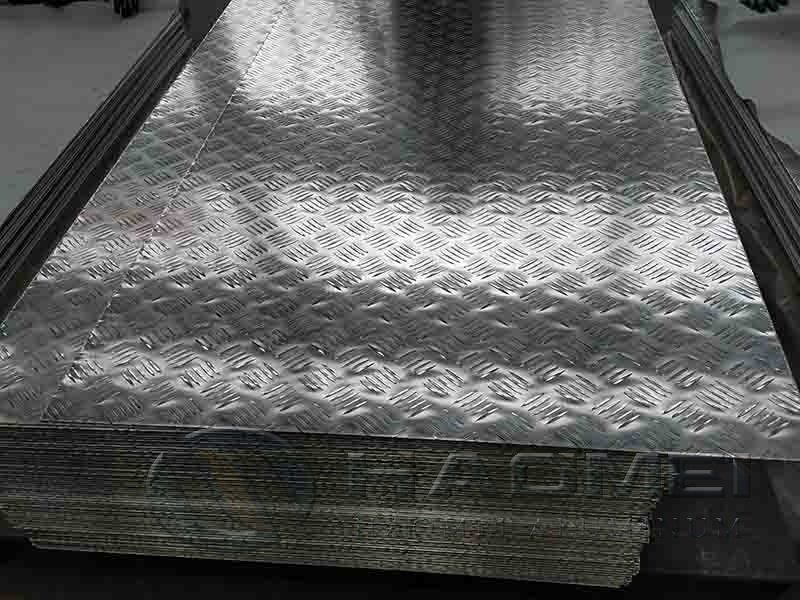
For anti-slip flooring and transport deck applications, thickness consistency and surface quality deserve extra attention.
Another good practice is to describe the project in plain language when sending an inquiry. Instead of asking only for price, mention whether the material will be welded, bent, anodized, exposed to salt, or used in tank fabrication. A supplier can then judge whether 5754 is the best fit or whether another 5xxx alloy would perform better.
Questions people are actively asking about 5754 aluminum
To match recent search behavior, these are the kinds of hot questions repeatedly appearing in English-language Q&A spaces:
- What is 5754 aluminum used for?
- Is 5754 better than 5052 aluminum?
- Is 5754 aluminum marine grade?
- Can 5754 aluminum be welded and bent?
- What is the difference between 5754 and 5083 aluminum?
These questions keep trending because 5754 sits in a very practical market position. It is not the cheapest alloy people ask about, and it is not always the strongest. But for many transport, marine-adjacent, tank, and industrial fabrication projects, it offers a combination that is hard to ignore: dependable corrosion resistance, workable strength, and efficient processing.
Original Source:https://www.aluminumtankerplate.com/a/5754-aluminum.html
Tags: 5754 aluminum , 5754 aluminum properties , 5754 vs 5052 , 5754 vs 5083 , marine aluminum , automotive aluminum ,
Prev:How to Choose Aluminum Alloy Plate for Tank Trucks in Thailand
Next:5454 Aluminum