

5454 Aluminum


5454 aluminum is a widely used alloy for tank trucks, fuel trailers, and other special vehicles that need a good balance of strength, corrosion resistance, and forming performance. For bulk purchasers, understanding how this alloy performs in real transport conditions is important, because the right plate affects vehicle weight, service life, welding quality, and total operating cost.
Compared with ordinary steel, aluminum can reduce dead weight and improve payload efficiency. Among several 5xxx series alloys, 5454 is often chosen for tank shell structures that work in demanding outdoor environments and may face long-term contact with moisture, road salt, or mildly corrosive cargo.
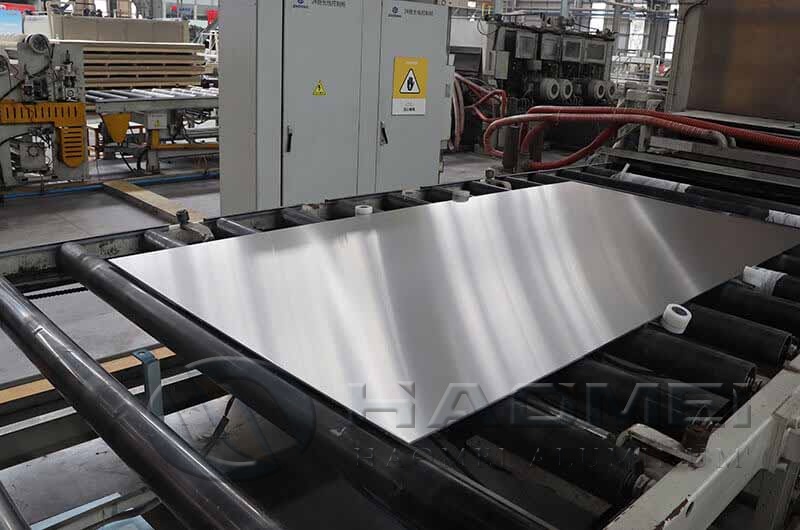
Why 5454 aluminum is used in tank trucks
5454 belongs to the Al-Mg family. Its magnesium content gives it strong corrosion resistance and reliable mechanical properties after processing. In tanker manufacturing, it is valued for several practical reasons.
First, it has better strength than 5052 and good weldability, which helps fabricators produce large tank sections, heads, baffles, and structural parts efficiently. Second, it performs well in elevated-temperature service compared with some other non-heat-treatable alloys, making it suitable for certain liquid transport applications. Third, its surface quality and formability support rolling, bending, and welding operations required for tanker production.
For many vehicle manufacturers, Aluminum 5454 is a practical option when they want to control weight without sacrificing durability. It is also often compared with Aluminium 5083, especially when selecting material for tanks carrying chemicals, fuel, or food-grade liquids. In actual purchasing, the final choice depends on cargo type, design code, required thickness, and cost target.
Main advantages of 5454 aluminum plate
| Property | Performance of 5454 aluminum | Value for tank truck production |
|---|---|---|
| Corrosion resistance | Very good in outdoor and marine-like environments | Helps extend tank body life |
| Weldability | Excellent | Supports stable fabrication and lower welding risk |
| Strength | Medium to high within 5xxx series | Suitable for shell and structural parts |
| Formability | Good | Easier rolling and shaping of tank sections |
| Weight reduction | Much lighter than steel | Improves payload and fuel efficiency |
How to choose 5454 plate for tank truck projects
When purchasing aluminum sheet for tank trucks, the alloy name alone is not enough. Bulk orders should be checked from several angles to avoid later fabrication or compliance problems.
1. Confirm the temper and mechanical property range
Common tempers for tanker use may include O, H111, H22, H32, or similar states, depending on forming and strength requirements. A softer temper is easier to shape, while a strain-hardened temper may offer higher strength. Purchasers should match the temper to the part design instead of choosing only by price.
2. Match thickness to the application
Tank shell, head, partition, and reinforcement parts do not always use the same thickness. Too thin may affect stiffness and welding performance. Too thick increases vehicle weight and material cost. The right thickness should follow design drawings, transport medium, and applicable standards.
3. Check plate quality consistency
For bulk supply, consistency matters as much as nominal specification. Review:
- Thickness tolerance n- Width and length accuracy
- Flatness
- Surface quality
- Edge condition
- Mechanical property stability between batches
These details affect cutting yield, rolling quality, and welding efficiency.
4. Verify standards and certificates
Tank truck material procurement should include mill test certificates and relevant inspection records. Depending on the market and use scenario, purchasers may need to review chemical composition, tensile properties, hardness, and ultrasonic or other quality checks. For pressure-related or regulated transport equipment, local manufacturing rules must also be respected.
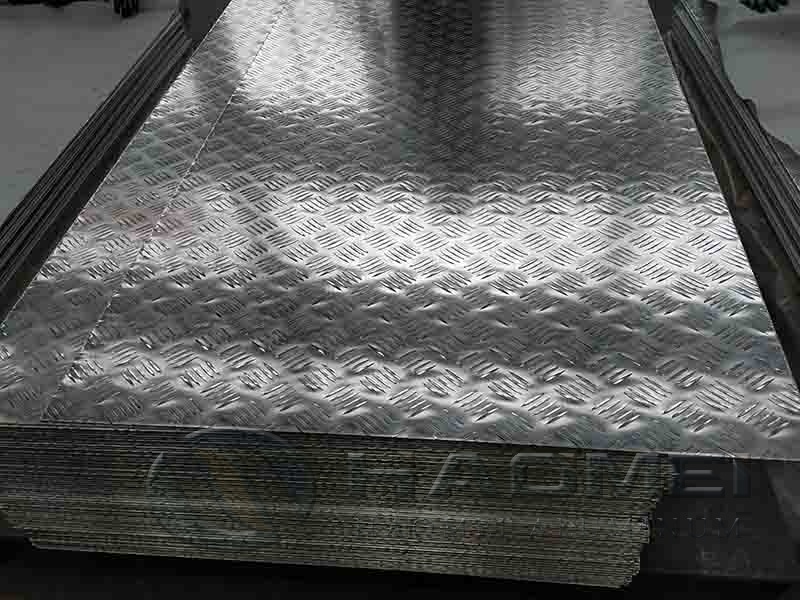
5454 aluminum vs other common tanker alloys
Because tank trucks use different materials for shell panels, end plates, insulation covers, and anti-slip walking surfaces, purchasers often compare several alloys before placing a contract.
| Alloy | Typical feature | Common use in special vehicles |
|---|---|---|
| 5454 | Good strength, corrosion resistance, weldability | Tank bodies, shell sections, structural parts |
| 5083 | Higher strength and strong corrosion resistance | Chemical and high-performance tanker structures |
| 5182 | Good formability and strength | Tank heads, formed vehicle parts |
| 5754 | Good corrosion resistance and processing | General vehicle panels and some tank applications |
In many projects, 5454 is selected when users want a dependable combination of cost, processability, and service performance. If the design requires higher strength or a specific corrosion profile, 5083 or another 5xxx alloy may be reviewed.
Practical purchasing points for bulk orders
For large-volume procurement, it is useful to communicate clearly with the plate supplier before production starts. Important questions include:
- What is the exact alloy and temper required?
- Is the plate intended for the tank shell, head, or structural reinforcement?
- What width can reduce cutting scrap?
- Is the material suitable for automatic welding or manual welding?
- Can the supplier provide stable batch delivery?
- Are packaging and transport methods adequate to protect surface quality?
It is also wise to ask for sample data from previous tanker projects, especially for wide plates, thick plates, or export orders. Stable supply is important because inconsistent material can slow production schedules and increase workshop adjustment costs.
From a cost perspective, the cheapest plate is not always the best option. Lower-priced material may lead to higher losses in forming, welding, or inspection. Bulk purchasers usually benefit more from a supplier that can offer consistent quality, clear traceability, and production experience in transport equipment materials.
For tank truck and special vehicle manufacturing, 5454 aluminum remains a competitive choice because it supports lightweight design, reliable fabrication, and long-term corrosion resistance. When the purchase decision is based on alloy performance, temper, dimensional control, certification, and supplier stability, the material is more likely to meet both manufacturing and operating expectations.
Original Source:https://www.aluminumtankerplate.com/a/5454-aluminum.html
Tags: 5454 aluminum , tank truck aluminum plate ,
Prev:5754 Aluminum