

5754 H111 Aluminum


People searching for 5754 H111 aluminum usually have the same practical concerns: Will it crack when bent, will welds stay clean, how does it behave near salt water, and how does it compare to nearby alloys. Below are five hot, real-world style questions that have been commonly asked on Google and Q&A communities recently, with supplier-minded answers focused on selection and processing.
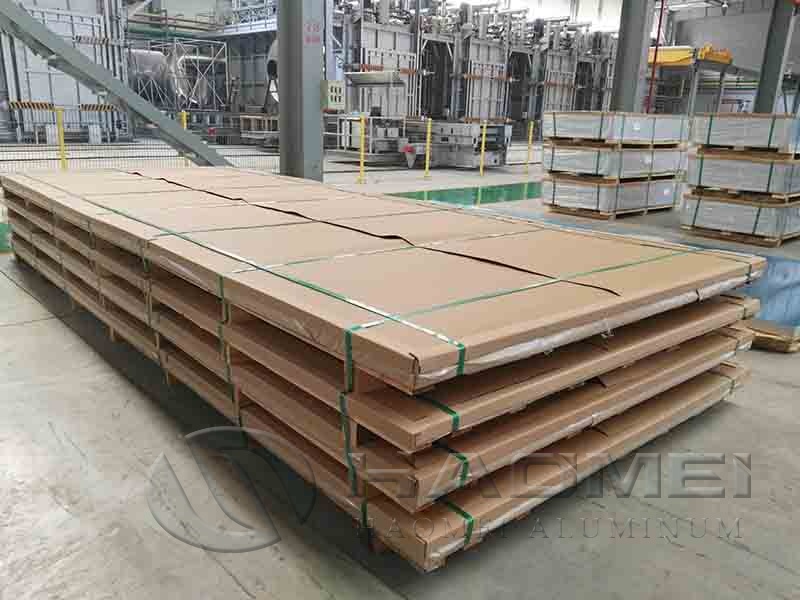
1. What does H111 mean on 5754 aluminum, and is it the same as O temper?
H111 is a "lightly strain-hardened" condition used for non-heat-treatable 5xxx alloys. In practice, it is very close to annealed material, but it is not identical to O.
- What you can expect in the workshop: H111 typically feels slightly firmer than O, with a bit more resistance during forming. For many fabrications, the difference is small enough that users treat them as interchangeable, but it can show up when you push tight bend radii or deep draw limits.
- Why H111 exists: It is often supplied in thinner gauges or continuously produced product where a fully annealed designation is not used or not required. It is also common where consistent flatness and stable handling matter.
If your application is sensitive to maximum formability, specify O or confirm minimum bend requirements with your processor. If you care more about a balanced "easy to fabricate" condition with good stability, H111 is usually a safe call.
2. Is 5754 H111 good for marine and saltwater use, or should I use 5083 instead?
5754 has strong corrosion resistance in many environments, including general marine exposure and splash zones, because magnesium-based 5xxx alloys naturally perform well in chloride conditions. That said, "marine grade" is not one-size-fits-all.
Use 5754 H111 when:
- The part needs good forming (panels, fairings, covers, housings).
- Loads are moderate, and you value fabrication flexibility.
- You want solid corrosion resistance with straightforward finishing.
Consider 5083 when:
- The structure is more load-bearing or thicker and you want higher typical strength.
- You need a longer track record in heavy-duty marine structures.
A practical way to decide is to look at both strength needs and fabrication steps. If you are building complex shapes and forming is the risk, 5754 H111 often reduces cracking and rework. If the part is closer to a structural plate role, it may be worth comparing with Aluminium 5083.
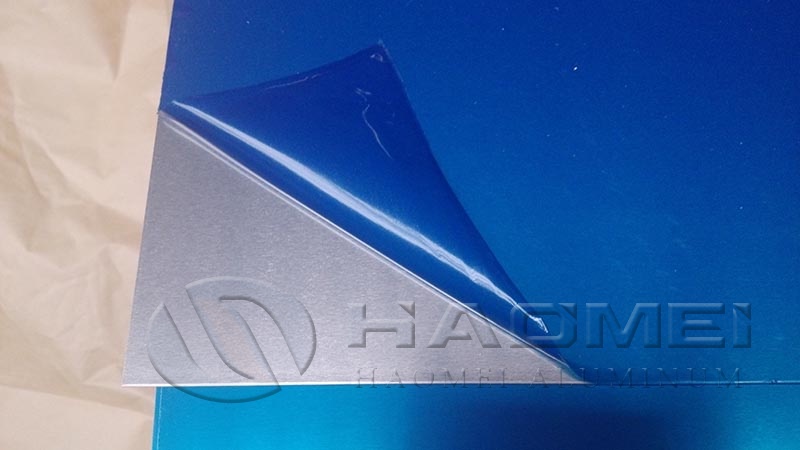
3. Why is my 5754 H111 cracking on bends, and what bend radius should I use?
Cracking on bends is usually not because 5754 is "bad," but because the forming setup is fighting grain direction, tooling, or surface condition.
Common causes and fixes:
- Bending across vs. with the rolling direction: Many sheets bend better when you bend perpendicular to the rolling direction. If you must bend parallel, increase radius.
- Radius too tight for thickness: A conservative starting point for H111 is often around 1.0t to 2.0t inside radius depending on thickness and bend orientation. Tight corners in thicker gauges are where problems show up first.
- Tooling marks and edge quality: Burrs, sheared edges, or scratches act like crack starters. Deburr and avoid scoring.
- Cold temperature forming: If the shop is cold, ductility can feel reduced. A stable room temperature process helps.
If your part is sensitive, ask for a trial coupon and record: thickness, bend direction, die opening, punch radius, and whether lubrication was used. That small test saves a lot of scrap.
Quick bending checkpoints for 5754 H111
| Issue seen in forming | Likely cause | Fast adjustment |
|---|---|---|
| Micro-cracks at outer radius | Radius too tight | Increase inside radius, widen V-die |
| Cracks starting from edge | Burrs or poor edge finish | Deburr, change cutting method |
| Orange peel texture | Large grain or heavy strain | Increase radius, reduce strain per step |
| Inconsistent results | Mixed coil lots or direction not tracked | Track rolling direction, standardize lots |
4. Can you weld 5754 H111 easily, and how do I avoid black soot and porosity?
Yes, 5754 is widely welded. Most weld issues come from preparation and consumable choice rather than the base metal itself.
What typically works well:
- Process: MIG and TIG are both common. MIG is popular for production; TIG for control and thin sections.
- Cleanliness: Oxide and oil are the top causes of porosity and soot. Use a dedicated stainless brush for aluminum, solvent wipe, and keep gloves clean.
- Filler selection: Many fabricators choose 5356-type fillers for 5xxx series compatibility when strength and color match are important. For certain cracking concerns or service conditions, filler choice may change, so confirm against your code or service environment.
- Heat input control: Too much heat can increase distortion and widen the heat-affected zone. Use consistent travel speed and correct shielding gas flow.
If you see heavy blackening, verify gas coverage and remove any hydrocarbon contamination. If porosity persists, check for moisture in gas lines and confirm that the material was not stored in a way that traps condensation.
5. Is 5754 H111 used for tank trucks and fuel-related equipment, and what should I specify when ordering?
5754 is used in many transportation and industrial fabrications because it balances corrosion resistance and formability. For tank-related work, requirements vary by design code and medium, but the ordering details are often what determines success.
Specify clearly:
- Thickness and tolerances: Thickness tolerance affects forming repeatability and weight.
- Surface condition: If you need cosmetic panels, define surface class. If you need bonding or coating, specify cleaning or pretreatment expectations.
- Flatness and edge requirements: Laser cutting and tight assembly benefit from better flatness and controlled edges.
- Traceability and test needs: If your project needs MTCs, specify standard, temper, and inspection plan.
If your use case resembles tanker cladding or formed tank components, it can help to compare application notes for Tanker Plate style material selection, especially where impact, vibration, and corrosion exposure overlap.
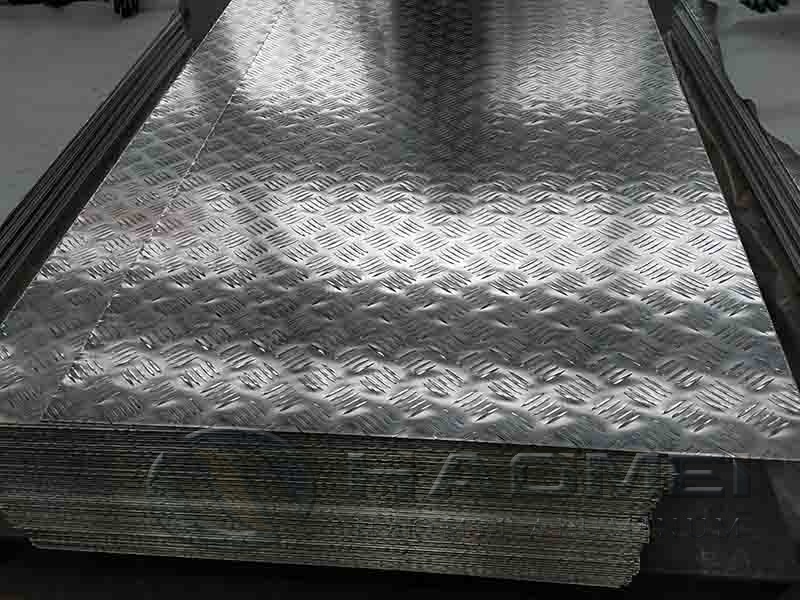
5754 H111 at-a-glance selection table
| Topic | What 5754 H111 is known for | What to watch |
|---|---|---|
| Corrosion resistance | Strong in many outdoor and marine exposures | Avoid harsh alkaline cleaners, confirm service chemistry |
| Forming | Generally very formable, forgiving | Track rolling direction, set realistic bend radius |
| Welding | Common MIG, TIG weldability | Cleanliness, moisture control, filler matching |
| Typical uses | Vehicle panels, enclosures, formed parts | For heavy structural loads, compare higher-strength 5xxx |
These questions come up repeatedly because 5754 H111 is often chosen at the intersection of forming, corrosion resistance, and weldability. If you share your thickness, forming method, and service environment, it becomes straightforward to narrow down radius targets, filler choices, and the most economical specification.
Original Source:https://www.aluminumtankerplate.com/a/5754-h111-aluminum.html
Tags: 5754 H111 aluminum , EN AW-5754 H111 ,
Prev:Aluminium Tanker Plate Supplier
Next:What Does An Aluminum Sheet Supplier for Tank Trailer Do for You