

5 Hot Questions on 5083 H111 Aluminum


Why these 5083 H111 questions are trending right now
Across Quora, Google, and industrial forums, a cluster of recurring questions about 5083 H111 has surged lately. The pattern is consistent: people are sourcing marine and vehicle-grade aluminum for projects that must survive salt, vibration, and welding, while still meeting a realistic budget and lead time.
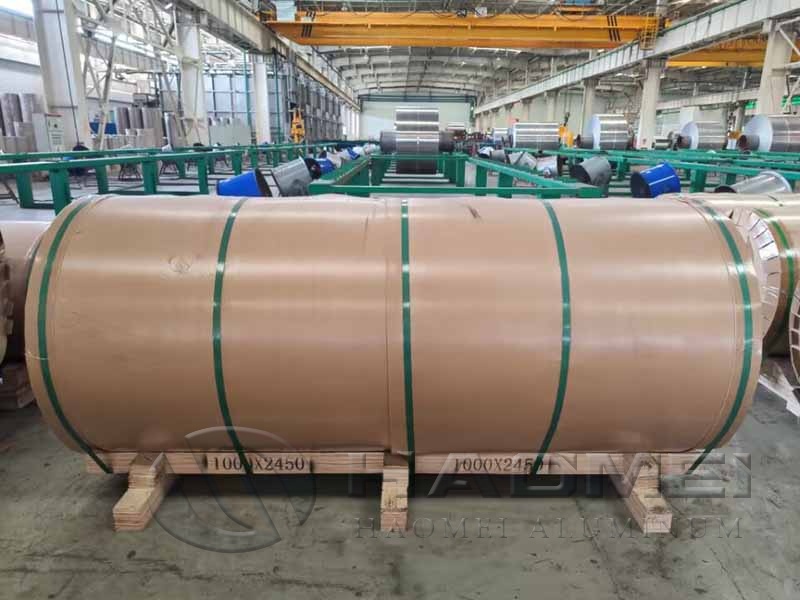
Below are 5 of the most asked English questions, with practical, original answers aimed at helping you specify the right material the first time.
1. What is 5083 H111, and how is it different from H116 or H321?
5083 is a high-magnesium 5xxx series aluminum alloy known for strong corrosion resistance in marine environments and good as-welded performance. H111 is a temper meaning the material is slightly strain-hardened (less than H112 and much less than H32). It is commonly supplied when you need good formability and a stable, general-purpose condition.
How it differs in practice:
H111: Lighter cold work, typically better formability, often used for general fabricated parts where extreme marine anti-exfoliation testing is not the driving requirement.
H116 and H321: These are specialized marine tempers designed to reduce susceptibility to certain forms of corrosion in seawater service. They are frequently specified for shipbuilding and offshore structures where standards require proven resistance to exfoliation or stress corrosion behaviors.
If your design or customer spec explicitly calls out marine temper testing, H116 or H321 may be non-negotiable. If your job is fabrication-heavy and you need easier forming without chasing a strict marine standard, H111 can be the more flexible option.
For alloy background and typical supply formats, see Aluminium 5083.
2. Is 5083 H111 strong enough for marine structures, ramps, or truck bodies?
This question is hot because many projects sit in the middle ground: not a certified ship hull, but still exposed to weather, salt spray, and repeated loading.
Answer: 5083 H111 can be strong enough, but it depends on how the part carries load.
If your part is stiffness-limited (deflection matters more than yield), thickness and panel design often dominate the outcome.
If your part is yield-limited (risk of permanent set), the temper matters more. H111 generally offers lower strength than H32/H116/H321, so you may need added thickness or stiffeners.
A practical way to decide is to ask your fabricator or engineer what is driving the design: bending stiffness, dent resistance, fatigue, or ultimate strength. H111 is frequently chosen when forming and fit-up are complex, and strength can be achieved through geometry.
Typical decision cues
| Use case | Why 5083 H111 is considered | When to step up to H116 or H321 |
|---|---|---|
| General marine exposure parts | Good corrosion resistance, workable temper | If compliance requires marine temper validation |
| Fabricated ramps and platforms | Good weldability, decent strength | If high point loads demand higher yield |
| Vehicle bodies and enclosures | Formability and corrosion resistance | If dent resistance or thin-gauge strength is critical |
3. Will 5083 H111 corrode in seawater, and does it need coating?
People ask this because 5083 is marketed as marine-grade, yet real-world installations still show staining, pitting near fasteners, or crevice corrosion.
Answer: 5083 has excellent resistance, but it is not corrosion-proof in every detail.
Common reasons corrosion still appears:
Crevices: Tight overlaps, trapped saltwater, and stagnant areas can corrode faster than open, rinsed surfaces.
Galvanic couples: Stainless bolts, carbon steel brackets, or copper-containing alloys in contact can accelerate attack.
Contamination: Embedded steel particles from tooling can rust and look like aluminum corrosion.
Do you need coating? Not always. Many marine applications run bare aluminum successfully, but coating is strongly considered when:
You have persistent wet crevices.
You must prevent cosmetic staining.
You cannot control dissimilar-metal contact.
If coating is used, good surface prep and edge sealing matter as much as the paint system itself.
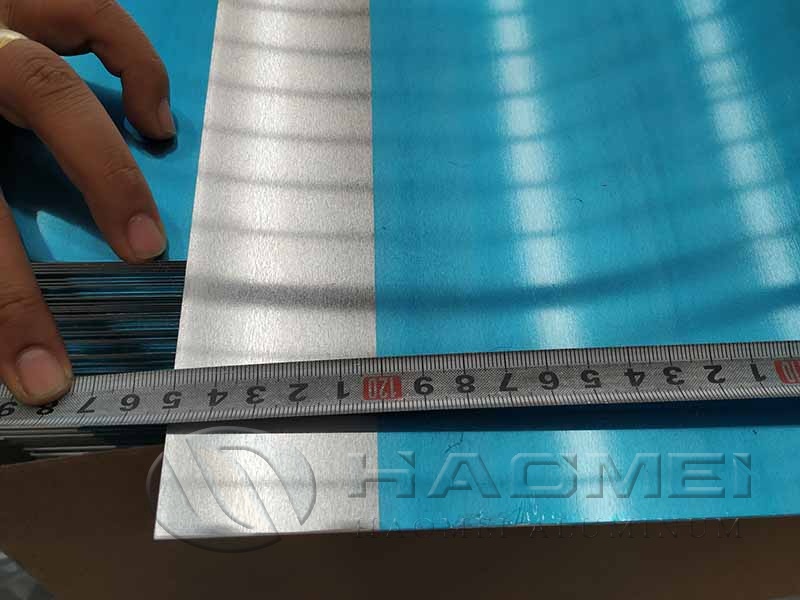
For applications such as tankers and corrosive cargo environments, the alloy and temper selection should be tied to service media, cleaning chemicals, and joint design. You may also see people comparing marine alloys for tank bodies and compartments alongside Tanker Plate specifications.
4. Can 5083 H111 be welded easily, and what happens to strength near the weld?
This is one of the most common questions because 5083 is often selected specifically for welded fabrication.
Weldability: 5083 generally welds well using common processes like MIG and TIG. However, the real issue is not whether it welds, but what happens to mechanical properties.
What changes near the weld:
In 5xxx alloys, welding creates a heat-affected zone (HAZ) where strength can drop relative to the base material temper.
This matters most when you design thin parts with high stress right next to a weld.
How to design around it:
Place critical load paths away from weld toes when possible.
Use joint geometry, gussets, or doubling plates rather than relying on thin, highly stressed welded edges.
Confirm filler selection and procedure with your fabricator, especially if the job has service temperature concerns.
If your project sees elevated temperatures for long periods, ask specifically about long-term thermal exposure. Some 5xxx alloys can experience property changes when held hot, which is a different issue than ordinary welding.
5. What specifications should I ask for when ordering 5083 H111 (tolerances, certificates, and tests)?
This is trending because many first-time purchasers get stuck with mismatched paperwork: the material is 5083, but the cert does not clearly show temper, standard, or inspection items.
Ask for these items up front:
Alloy and temper clearly stated: 5083 H111.
Product standard: Many buyers reference ASTM or EN standards depending on region and project requirements.
Mill test certificate: Heat number traceability, chemical composition, and mechanical properties.
Dimensional tolerances: Thickness tolerance, flatness, and edge condition.
Surface and protective film: Especially if appearance matters or if the parts are laser cut.
Quick RFQ checklist
| Item to specify | Why it prevents problems |
|---|---|
| Temper: H111 | Avoids receiving higher-strength but less formable tempers, or vice versa |
| Thickness tolerance and flatness | Reduces fit-up rework in welding and cutting |
| Certification and heat traceability | Supports QA, audits, and contract compliance |
| Intended process: forming, welding, machining | Helps supplier recommend the safest production route |
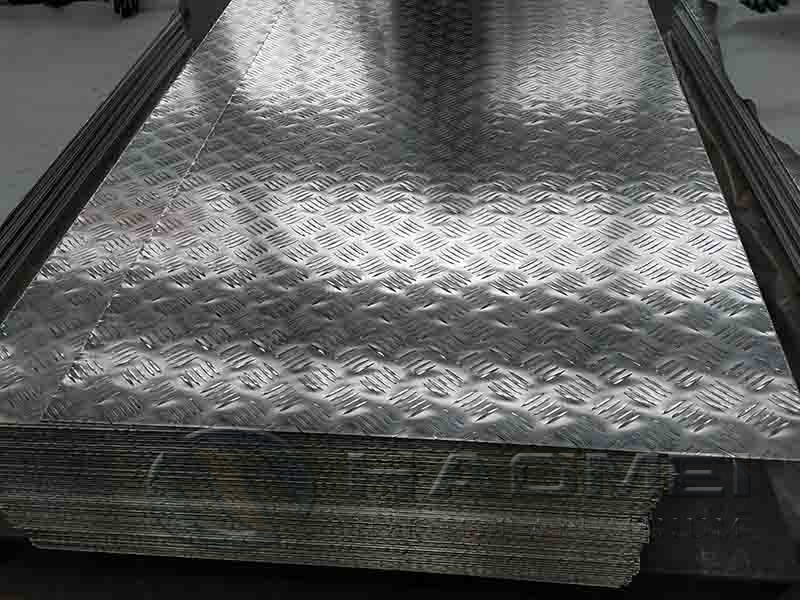
When you provide the intended fabrication method, suppliers can steer you away from avoidable issues like poor flatness for CNC cutting, or a temper that fights bending radii.
Common misconceptions seen in recent Q and A threads
Misconception: H111 is automatically the best marine temper.
Reality: H111 is often chosen for formability and general fabrication. Some marine standards prefer H116 or H321.
Misconception: If it is 5083, corrosion cannot happen.
Reality: Joint design, crevices, and dissimilar metals can still drive corrosion.
Misconception: Welding does not change properties.
Reality: The HAZ can be the controlling zone for strength in many designs.
Original Source:https://www.aluminumtankerplate.com/a/5083-h111.html
Tags: 5083 H111 , 5083 aluminum , H111 temper , marine aluminum , weldability ,
Prev:Aluminum Alloy 5083