

5059 Aluminum Sheet


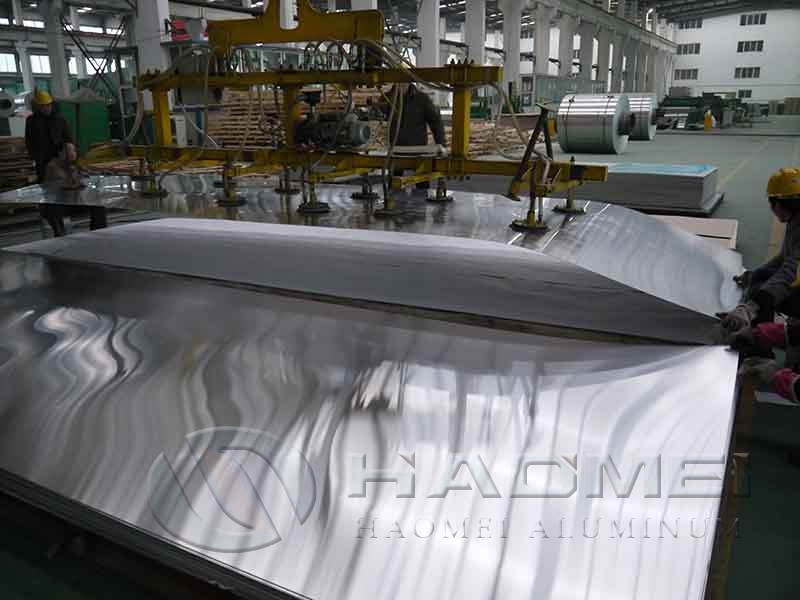
5059 aluminum sheet is a high-magnesium 5xxx-series alloy used where low weight, strong corrosion resistance, and higher strength are required together. It is frequently considered for marine structures, transport tanks, defense equipment, and heavy-duty fabricated parts.
The questions below reflect recurring English-language purchasing and engineering discussions appearing in recent public search and Q&A activity. Answers focus on practical material selection, specification review, and fabrication considerations.

1. Is 5059 Aluminum Sheet Stronger Than 5083 Aluminum?
Yes, 5059 aluminum sheet can provide higher strength than 5083 in comparable strain-hardened tempers. The alloy contains a relatively high magnesium level along with manganese, zinc, zirconium, and chromium additions. This composition supports stronger mechanical performance while retaining the corrosion advantages associated with marine-grade 5xxx alloys.
5059 is often selected when a project needs to reduce structural weight without immediately increasing material thickness. For example, a transport body, pressure-related enclosure, or vessel-side component may use 5059 when 5083 strength is not sufficient at the available gauge.
However, strength is not the only selection factor. 5083 remains widely specified because it has a long service record in shipbuilding and welded structures. A direct comparison should always use the same temper, thickness range, product standard, and loading direction.
| Property Consideration | 5059 Aluminum Sheet | 5083 Aluminum Sheet |
|---|---|---|
| Typical application focus | High-strength marine and transport structures | Marine hulls, welded structures, tanks |
| Relative strength potential | Generally higher in comparable hard tempers | High, but often lower than 5059 |
| Corrosion resistance | Excellent in marine environments | Excellent in marine environments |
| Fabrication familiarity | Requires controlled welding and forming planning | Very widely used and familiar |
| Material selection priority | Strength-to-weight performance | Proven marine fabrication performance |
For projects requiring a comparison with a widely used marine alloy, review Aluminium 5083 specifications alongside 5059 test data rather than comparing nominal alloy names alone.
2. Can 5059 Aluminum Sheet Be Used for Marine and Saltwater Equipment?
Yes. 5059 aluminum sheet is suitable for many saltwater, coastal, and marine transport environments because it belongs to the non-heat-treatable Al-Mg alloy family. Its corrosion resistance is especially valuable in hull-side structures, deck equipment, workboats, offshore support parts, and lightweight marine transport units.
Saltwater performance still depends on design and maintenance. Crevices that trap seawater, permanent contact with incompatible metals, damaged coatings, and poor drainage can create localized corrosion risks even with a highly resistant alloy. Stainless fasteners, copper-bearing fittings, and carbon steel supports should be electrically isolated where appropriate.
For fabricated marine parts, ask the supplier to confirm the applicable standard, temper, thickness tolerance, surface condition, and mill test certificate. If the part will be continuously exposed to salt spray or immersion, specify whether the surface is mill finish, brushed, coated, anodized, or painted.
3. Does 5059 Aluminum Sheet Weld Well?
5059 aluminum sheet is weldable using common aluminum processes such as MIG and TIG welding. In production settings, MIG welding is often preferred for thicker sections and longer weld seams because it offers higher deposition rates. TIG welding may be used for thinner material, detailed fittings, and controlled cosmetic work.
The main issue is not whether welding is possible, but how welding affects the heat-affected zone. 5059 gains much of its strength from strain hardening, so material near a weld can soften. Engineers should calculate joint strength using post-weld properties, not the base-metal tensile value shown for H-temper material.
Common fabrication practices include:
- Selecting compatible filler wire based on the joint design and service environment.
- Removing moisture, oil, oxide residue, and surface contamination before welding.
- Controlling heat input to reduce distortion and preserve practical joint performance.
- Using suitable fixturing for wide panels and asymmetric structures.
- Reviewing bend radii after welding because formed areas may behave differently from parent material.
If the final component is a fuel or chemical transport structure, material selection should also account for applicable tank standards. Tanker Plate options can help compare alloys intended for demanding transport fabrication.
4. Is 5059 Aluminum Sheet Suitable for Fuel Tanks and Transport Bodies?
5059 aluminum sheet can be suitable for lightweight transport bodies, tank-related structures, and protective enclosures where strength and corrosion resistance are important. Its higher strength potential may allow designers to optimize gauge while maintaining stiffness and load capacity.
Whether it is appropriate for a fuel tank depends on the transported medium, regulatory requirements, welding procedure qualification, design pressure, seam configuration, and inspection rules. The alloy itself should not be selected solely because it is corrosion resistant. Transport tanks require evaluation of fatigue loading, vibration, weld details, attachment points, and cleaning chemicals used during service.
For non-pressurized body panels, 5059 may be chosen for its dent resistance and structural efficiency. For a welded tank, the fabricator should confirm the approved material designation, temper, filler metal, and required post-fabrication testing.
| Project Question | What to Confirm Before Ordering |
|---|---|
| Will the material be welded? | Temper, filler compatibility, post-weld strength assumptions |
| Is the environment marine or chemical? | Corrosion exposure, coating system, drainage design |
| Is weight reduction important? | Strength target, gauge optimization, stiffness requirement |
| Will the part be bent or deep formed? | Minimum bend radius, grain direction, forming trial needs |
| Is certification required? | EN, ASTM, ABS, DNV, or project-specific documentation |
5. Which Temper and Thickness Should I Specify for 5059 Aluminum Sheet?
The correct temper depends on whether the part is primarily formed, welded, machined, or used as a flat structural panel. Common strain-hardened tempers include H111, H116, H321, H34, and H36, although availability varies by mill, thickness, width, and applicable standard.
A softer temper may be more suitable for complex bending or fabrication requiring tighter radii. A harder temper can offer improved strength for flat structural panels but may require larger bend radii and more careful handling. For marine exposure, H116 and H321 are frequently discussed because they are associated with resistance to exfoliation and stress-corrosion concerns in suitable 5xxx alloy applications.
When requesting a quotation, provide the following details:
- Alloy designation: 5059.
- Required temper and product standard.
- Thickness, width, and length.
- Quantity and allowable dimensional tolerance.
- Intended use, such as marine structure, transport body, or welded enclosure.
- Required inspection documents and third-party approval needs.
- Surface requirements, including protective film, mill finish, or coating preparation.
A clear specification reduces the chance of receiving material with an unsuitable temper, surface condition, or certification level for the planned fabrication process.
Original Source:https://www.aluminumtankerplate.com/a/5059-aluminum-sheet.html
Tags: 5059 aluminum sheet , Aluminum 5059 , marine aluminum plate , high-strength aluminum alloy ,