

5182 Alloy


5182 alloy is an aluminum-magnesium alloy valued for good formability, moderate-to-high strength, corrosion resistance, and weldability. It is widely recognized in automotive sheet applications, but it can also be evaluated for selected tank truck and special-vehicle components when the design, cargo medium, operating conditions, and applicable transport regulations support its use.
For bulk purchasing teams, selecting sheet for a tanker is not simply a matter of ordering an alloy number and thickness. The material must match the tank design, forming route, welding procedure, dimensional tolerance, inspection plan, and traceability requirements. A clear specification can reduce fabrication waste, avoid delays during inspection, and improve consistency across production batches.
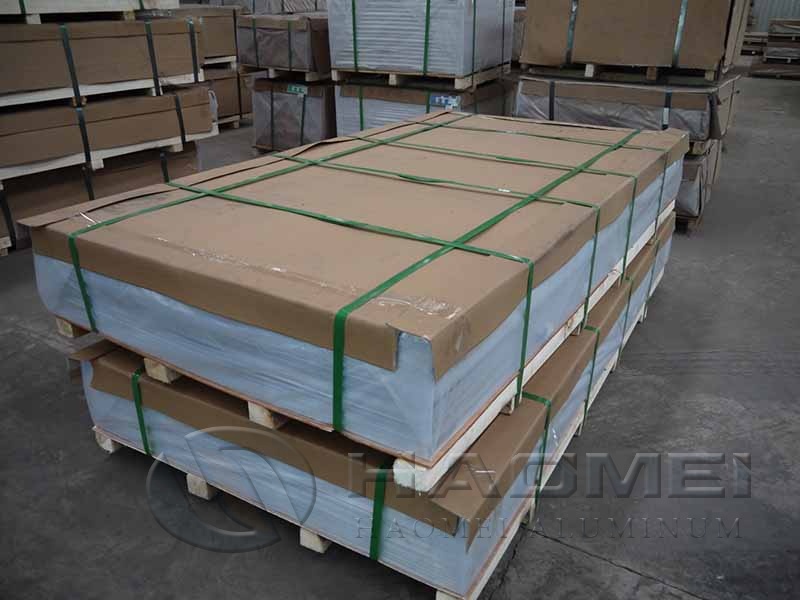
Understanding 5182 Alloy for Tank Truck Fabrication
5182 is a non-heat-treatable aluminum alloy in the 5xxx series. Magnesium is its principal alloying element, giving the material useful strength after strain hardening. Depending on temper and product form, 5182 can provide a practical balance between strength and workability for formed vehicle parts.
For tank truck applications, 5182 should be considered in relation to its intended position. It may be suitable for formed components, protective covers, compartments, structural panels, toolboxes, access parts, and selected special-vehicle bodies. For the pressure-containing shell itself, fabricators should verify whether 5182 meets the engineering design requirements and the relevant regional rules for the cargo being carried. Fuel, chemicals, food liquids, and pressurized products can each require different material evaluations.
The most important purchasing point is that alloy designation alone does not define performance. Temper has a major influence on strength, bendability, and forming behavior. Common tempers may include O, H111, H22, H32, H34, or other agreed conditions, depending on the supplier's production route and the final forming requirement.
| Purchasing Factor | Why It Matters for 5182 Alloy | What to Specify |
|---|---|---|
| Temper | Determines formability and strength level | Required temper, mechanical-property range, and forming method |
| Thickness | Affects tank design, welding distortion, and weight | Nominal thickness and permitted tolerance |
| Width and length | Influences nesting yield and seam layout | Maximum usable width, cut length, and edge condition |
| Surface quality | Reduces finishing and forming defects | Mill finish, protective film if needed, and acceptable defect level |
| Flatness | Helps rolling, bending, and panel assembly | Flatness requirement based on fabrication equipment |
| Certification | Supports quality control and traceability | Mill test certificate, heat number, and inspection records |
Where an established tank-shell grade is required, companies often compare 5182 with alternatives such as 5454, 5083, or 5754. Aluminum 5454 is commonly specified for certain tanker and pressure-vessel-related applications because of its strength and corrosion performance. The correct choice should come from the tank designer, applicable code requirements, and the cargo compatibility assessment rather than from price alone.
How to Specify 5182 Sheet and Plate Correctly
A complete procurement specification should describe the product in usable manufacturing terms. For example, instead of stating only "5182 aluminum sheet," include alloy, temper, thickness, width, length, surface condition, standard, quantity per size, and documentation requirements.
For sheet and plate supplied in North America, ASTM B209 is commonly referenced for aluminum and aluminum-alloy sheet and plate. In European supply chains, EN 485 series standards cover mechanical properties and tolerances for wrought aluminum sheet, strip, and plate, while EN 573 identifies alloy chemical composition and designation. These standards do not replace a vehicle or tank design specification, but they provide a recognized basis for material verification.
A practical order description may include the following details:
- Alloy: 5182.
- Temper: O or H32, subject to forming and strength requirements.
- Thickness: For example, 3.0 mm, 4.0 mm, or another engineering-approved size.
- Dimensions: Width and length matched to rolling, forming, or cutting equipment.
- Standard: ASTM B209, EN 485, or a mutually agreed technical specification.
- Surface: Mill finish, clean surface, no excessive oil, scratches, dents, or edge damage.
- Documentation: Mill test certificate showing chemical composition, mechanical properties, dimensions, and batch or heat traceability.
- Inspection: Agreed sampling method, packing standard, and claim procedure for nonconforming material.
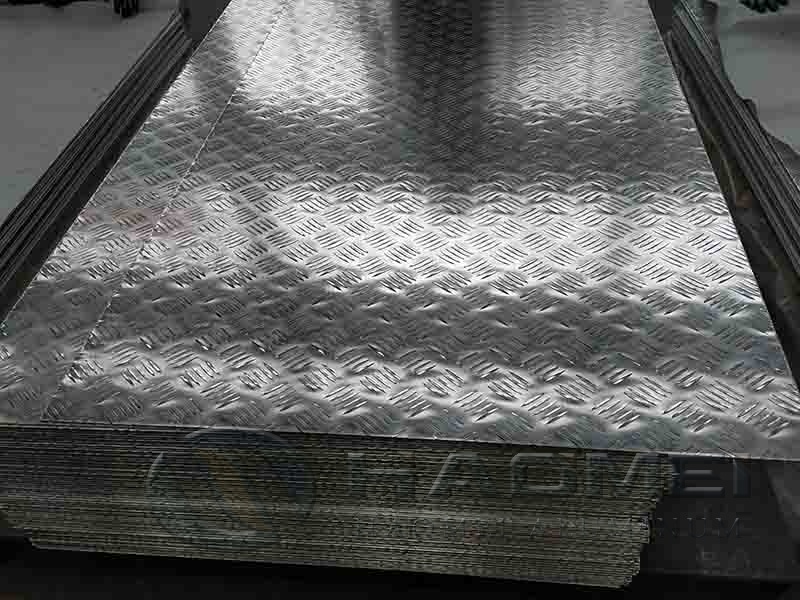
Thickness tolerance deserves special attention. A nominal thickness that is too close to the minimum design limit may create risk if the delivered sheet is within normal negative tolerance. The engineering team should establish a minimum finished-thickness requirement, then purchasing personnel can select a nominal gauge that provides an appropriate margin.
Surface requirements should also reflect the real application. A highly cosmetic body panel may need tighter surface controls than an internal reinforcement. Over-specifying appearance can increase cost and extend delivery time without improving tanker safety or service life.
Quality Checks, Supply Planning, and Compliance Considerations
Before placing a high-volume order, request representative mill certificates and, where appropriate, trial material for forming and welding tests. The fabrication team should check bend performance, springback, weld appearance, distortion, and post-weld handling. Aluminum welding procedures must be qualified for the actual joint design, filler wire, thickness range, and service condition.
For tank truck production, material traceability should run from the incoming coil, sheet, or plate to the finished vehicle record. Keep certificates linked to receiving batches, cutting plans, and fabrication lots. This practice supports internal quality control and can be important when customers, inspectors, or transport authorities require documented evidence of material origin.
When purchasing Tanker Plate for recurring production, assess supply stability as carefully as the quoted unit price. Aluminum costs can change with primary metal pricing, regional premiums, freight, exchange rates, energy costs, and rolling-mill capacity. Long lead times may apply to uncommon widths, heavy gauges, special tempers, protective-film products, or strict flatness requirements.
Use a supplier evaluation process that covers technical capability and logistics. Review whether the mill or distributor can consistently provide the requested width, whether slitting or cut-to-length processing affects flatness, and whether protective packaging is suitable for long-distance transport. Sheets should be protected against moisture, abrasion, and transit movement. Water trapped between aluminum surfaces can cause staining, even though aluminum has good natural corrosion resistance.
For hazardous-liquid transport, local requirements remain decisive. In the United States, tank vehicles may be subject to U.S. Department of Transportation regulations, including cargo-tank requirements under 49 CFR where applicable. Other markets may apply ADR, EN standards, national vehicle regulations, or customer-specific approvals. These rules address the complete tank system, including design, fabrication, testing, fittings, grounding, valves, and markings. Material selection should therefore be confirmed by qualified tank engineers and compliance personnel before production release.
Original Source:https://www.aluminumtankerplate.com/a/5182-alloy.html
Tags: 5182 Alloy , Tanker Plate ,
Prev:AW 5754 Aluminum