

5083 Aluminium Plate


5083 aluminium plate is one of the most widely used Al-Mg alloy plates for tank trucks, chemical transport vehicles, fuel semi-trailers, and special-purpose vehicles. Compared with carbon steel, aluminium alloy can reduce vehicle dead weight, increase payload efficiency, and improve corrosion resistance in many transport environments.
For fleet operators, trailer factories, and industrial purchasing teams, the value of 5083 is not only its strength. It also offers reliable weldability, good forming performance, and long service life when the correct temper, thickness, and surface quality are selected.
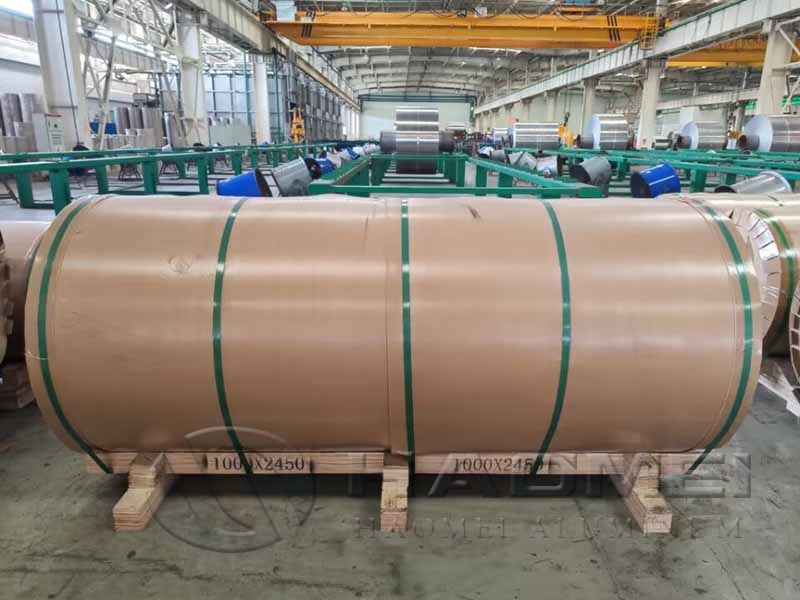
What Makes 5083 Aluminium Plate Suitable for Tank Trucks
5083 is a non-heat-treatable aluminium alloy strengthened mainly by magnesium. According to common international material references such as ASTM B209 and EN 485, it is recognized for high strength among 5xxx series alloys and excellent resistance to seawater and many industrial atmospheres.
In tank truck manufacturing, the plate is often used for tank shells, heads, baffles, manhole reinforcement parts, side guards, and structural components. Its advantages become clear when the vehicle needs a balance between strength, corrosion resistance, and weld performance.
| Item | Practical Meaning for Tank Vehicles |
|---|---|
| Main alloy system | Al-Mg alloy with strong corrosion resistance |
| Common tempers | O, H111, H112, H116, H321, depending on forming and design needs |
| Welding performance | Good for MIG and TIG welding with proper filler selection |
| Formability | Suitable for rolling, bending, and head forming when temper is matched |
| Typical use | Fuel tanks, chemical tanks, powder tanks, cryogenic-related structures, marine-related vehicle parts |
The commonly requested product name in the market is Aluminium 5083, but specifications can vary greatly from mill to mill. A tank manufacturer should confirm not only the alloy number, but also temper, thickness tolerance, flatness, surface condition, ultrasonic testing demand, and documentation.
For tank shells, many manufacturers prefer plates with stable mechanical properties and clean surfaces because the shell is rolled and welded into a large cylinder. Poor flatness, surface scratches, or inconsistent elongation may create problems during forming or welding.
Comparing 5083 With Other Tank Truck Aluminium Alloys
5083 is not the only aluminium alloy used for transport tanks. 5454, 5182, 5754, and 5059 are also seen in special vehicle production. The correct choice depends on the transported medium, working temperature, design code, forming method, and cost target.
| Alloy | Strength Level | Corrosion Resistance | Common Tank Truck Application | Notes for Selection |
|---|---|---|---|---|
| 5083 | High | Excellent | Tank shells, heads, baffles, chemical and fuel tanks | Strong all-around choice for demanding structures |
| 5454 | Medium-high | Very good | Hot liquid tanks, fuel tanks, road tankers | Often selected when higher service temperature resistance is needed |
| 5182 | Medium-high | Good | Tank heads, partitions, vehicle panels | Good forming ability in suitable tempers |
| 5754 | Medium | Good | Side panels, floors, light-duty tank parts | Easier forming, moderate strength |
| 5059 | Very high | Excellent | High-performance tanks and marine-related structures | Higher cost, used where design value supports it |
For petroleum and chemical transport, the tank design must match local regulations and the transported goods. In many regions, road tankers may need to comply with transport safety rules, pressure vessel requirements, ADR-related rules, or local vehicle inspection standards. Material certificates should be traceable to the production batch and should include chemical composition and mechanical properties.
When the tank carries hot liquids or works in a higher temperature environment, alloy choice needs extra attention. Some Al-Mg alloys with high magnesium content should not be used blindly at elevated service temperatures for long periods because sensitization and corrosion behavior may change. In these cases, engineering assessment and applicable standards must decide whether 5083, 5454, or another alloy is more suitable. Many manufacturers evaluate Aluminum 5454 when the service temperature is higher than normal ambient transport conditions.
How to Purchase 5083 Aluminium Plate for Tankers and Special Vehicles
A good purchase specification should be clear enough for the mill or distributor to quote the same material every time. Vague requests such as only stating 5083 plate are not enough for tank truck production.
| Purchase Item | What to Specify | Why It Matters |
|---|---|---|
| Alloy and temper | 5083 O, H111, H112, H116, or H321 | Controls strength, elongation, and forming behavior |
| Thickness | Commonly selected by tank design, such as 4 mm to 8 mm or thicker | Affects tank weight, safety margin, and cost |
| Width and length | Match shell rolling and cutting layout | Reduces scrap and welding seams |
| Standard | ASTM B209, EN 485, GB/T 3880, or project-required standard | Aligns inspection and acceptance rules |
| Surface | Mill finish, PVC film, no severe scratches, oil stain control | Improves appearance and welding preparation |
| Testing | Mill test certificate, tensile test, chemical analysis, optional ultrasonic test | Supports traceability and quality control |
| Packaging | Seaworthy pallet, moisture protection, edge protection | Prevents oxidation, dents, and transit damage |
Thickness selection should come from tank design calculations rather than simple price comparison. A thinner plate may reduce tare weight, but it must still meet structural strength, fatigue resistance, impact resistance, and inspection requirements. A thicker plate may be easier to weld in some cases, but it increases vehicle weight and material cost.
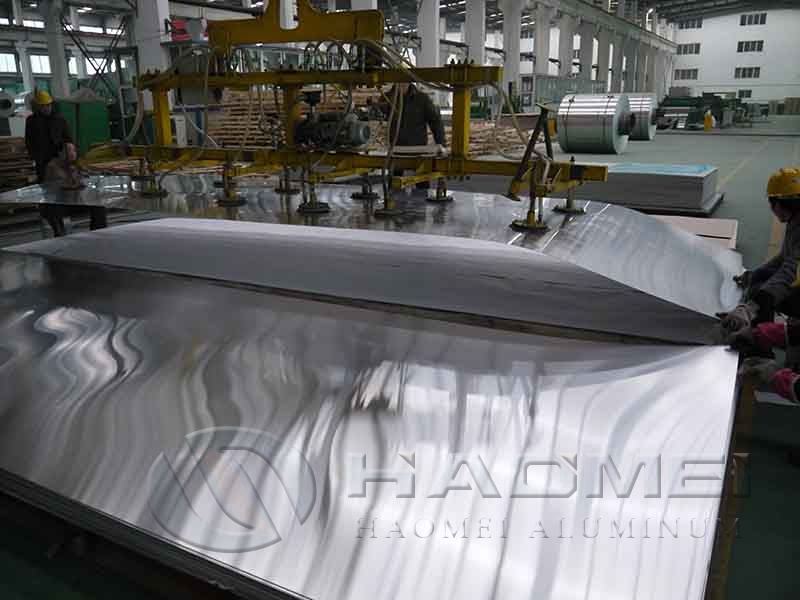
Surface condition is also important. Tank plates are often long and wide, so scratches, dents, waviness, or pressure marks may be amplified after rolling. For visible special vehicle parts, surface quality affects final appearance. For welded tank shells, deep scratches near weld zones can create repair work and delay production.
The certificate should match the plate marking, bundle label, heat number, and delivery documents. Reliable suppliers can provide traceable mill test certificates showing chemical composition, tensile strength, yield strength, elongation, and standard reference. If the tank project has strict compliance requirements, ask for third-party inspection before shipment rather than after the plates arrive at the workshop.
Price is influenced by aluminium ingot cost, magnesium cost, rolling conversion fee, plate thickness, width, temper, order volume, surface protection, and freight. Wide plates, special tempers, and urgent production schedules usually raise the final price. During active market cycles, rolling mills may extend lead times, so production planning should include both metal price movement and delivery risk.
When evaluating suppliers, focus on stable rolling capability, experience with tank truck material, consistent tolerances, and after-sales handling. A low quotation can become expensive if plates crack during forming, arrive with poor flatness, or fail certificate verification. For repeated production, it is wise to test a trial batch through cutting, rolling, head forming, welding, and pressure testing before scaling up to large-volume supply.
A practical purchase request for 5083 aluminium plate should include alloy, temper, thickness, width, length, quantity, standard, surface requirement, certificate requirement, packaging method, destination port, and expected delivery time. With these details prepared, quotations become easier to compare and the delivered plates are more likely to meet tank truck manufacturing needs.
Original Source:https://www.aluminumtankerplate.com/a/5083-aluminium-plate.html
Tags: 5083 aluminium plate , tank truck aluminum plate , tanker plate , aluminum alloy tank truck ,
Prev:5754 Aluminum Sheet for Tank Truck
Next:5182 Aluminum Plate