

Aluminium Tanker Plate


Feature focus: corrosion resistance for fuel and chemical tank service
Transport tank fabricators and fleet operators usually compare alloy strength first, but in real service the top concern is often corrosion resistance. A tanker body faces water, road salt, fuel residue, cleaning chemicals, and cyclic stress. The right aluminium tanker plate reduces maintenance, extends service life, and helps meet transport safety rules.
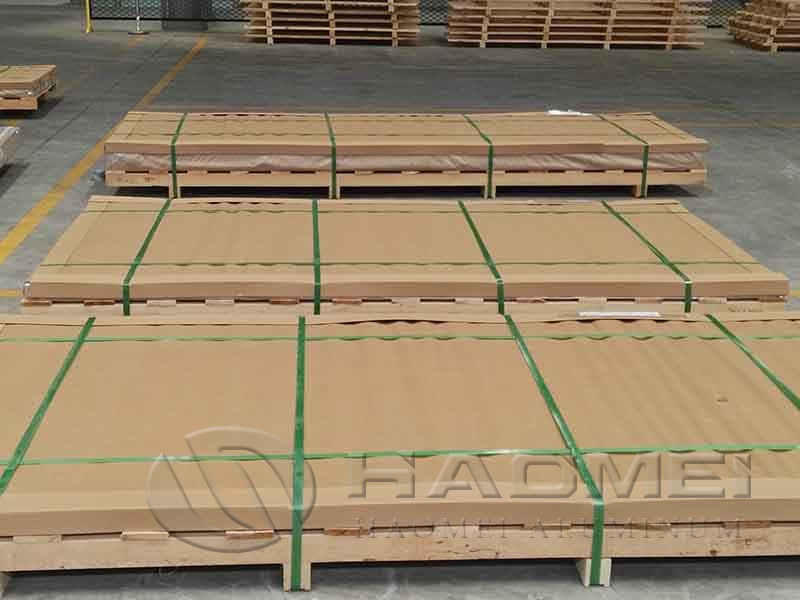
What is aluminium tanker plate?
This material is an aluminum alloy plate used for road tankers, fuel tanks, chemical transport tanks, milk tanks, and related pressure-free or low-pressure vessels. In practice, the most common alloys are 5xxx series Al-Mg grades because they combine good weldability, corrosion resistance, and moderate-to-high strength.
Common standards used in supply and fabrication include ASTM B209 for aluminum and aluminum-alloy sheet and plate, and EN 485 for wrought aluminum products in Europe. For dangerous goods transport in Europe, tanker design and operation are commonly aligned with ADR requirements. Material selection still needs to match the tank medium, fabrication method, and local compliance review.
A typical specification review covers:
- Alloy and temper
- Plate thickness tolerance
- Mechanical properties
- Corrosion resistance in service medium
- Weldability and post-weld strength retention
- Surface quality for forming and cleaning
- Traceability by heat and batch
Which alloy is most used for tanker applications?
For many fuel and liquid transport tanks, Aluminium 5083 is widely specified because of its strong corrosion resistance in marine and industrial environments and its good performance after welding. In some designs, 5454 and 5182 are also considered depending on forming needs, temperature exposure, and target strength.
Quick comparison of common tanker alloys
| Alloy | Typical use | Strength level | Corrosion resistance | Weldability | Notes |
|---|---|---|---|---|---|
| 5083 | Fuel tankers, chemical tanks, marine tanks | High | Excellent | Excellent | Frequently used for demanding tanker structures |
| 5454 | Tank bodies, pressure-related service | Medium-high | Very good | Excellent | Often preferred for elevated-temperature service versus 5083 in some cases |
| 5182 | Formed tank parts, lids, closures | Medium | Very good | Good | Good formability for shaped components |
| 5754 | General transport and structural panels | Medium | Very good | Excellent | Useful for less demanding corrosion/strength balance |
Data should always be checked against the exact temper and standard edition because strength values vary by thickness and temper condition.
Verifiable standards and performance points
When evaluating a Tanker Plate, ask the mill or stockholder to confirm compliance with recognized standards and provide the mill test certificate.
Common reference points
| Item | Typical reference |
|---|---|
| Plate specification | ASTM B209 / B209M |
| European product standard | EN 485 series |
| Chemical composition checks | EN 573 or ASTM alloy definitions |
| Mechanical test verification | Tensile and elongation values per order standard |
| Quality documents | EN 10204 3.1 certificate is commonly requested |
| Dangerous goods transport context | ADR technical framework in Europe |
For alloy 5083, public standards data generally show magnesium as the major alloying element, supporting strong corrosion resistance and good weldability. This is why it remains a frequent choice for fuel and liquid cargo tanks.
How to choose the right plate
Shortlisting by price alone often creates later problems: weld softening, stress corrosion concerns in the wrong service window, or poor forming performance. Use this step-by-step checklist instead.
Selection checklist
-
Define cargo medium clearly. Diesel, gasoline, edible liquids, and mild chemicals do not place the same demand on the tank.
-
Confirm transport regulation. For cross-border dangerous goods service, design teams often work within ADR and local vehicle approval rules.
-
Match alloy to environment. Coastal routes and winter road salt increase corrosion pressure.
-
Check thickness and width availability. Wider plates can reduce weld seams but may affect lead time and freight cost.
-
Review welding procedure. Ask whether the chosen temper and filler wire support the required joint efficiency.
-
Request traceability documents. Heat number, chemical composition, mechanical test data, and standard references should be supplied.
-
Inspect surface quality. Tank fabrication benefits from a clean surface with low defect risk for forming and welding.
Pricing: what actually changes the cost?
There is no single fixed global price for this plate because aluminum pricing moves with primary metal markets, energy costs, alloy surcharge, and regional freight. Reputable quotations usually depend on these factors:
| Cost driver | Effect on price |
|---|---|
| LME or regional aluminum benchmark | Direct base metal impact |
| Alloy grade | Higher-magnesium or specialty grades may cost more |
| Thickness and width | Non-standard sizes usually increase conversion cost |
| Temper and flatness requirement | Tight tolerances add processing cost |
| Certification package | 3.1 documents, extra testing, and inspection add cost |
| Order volume and destination | Freight and packaging can materially change landed price |
As a market practice, 5083 plate often carries a premium over more general-purpose 5xxx products because of its application profile and property requirements. Exact quotations should be requested against thickness, width, temper, and destination port.
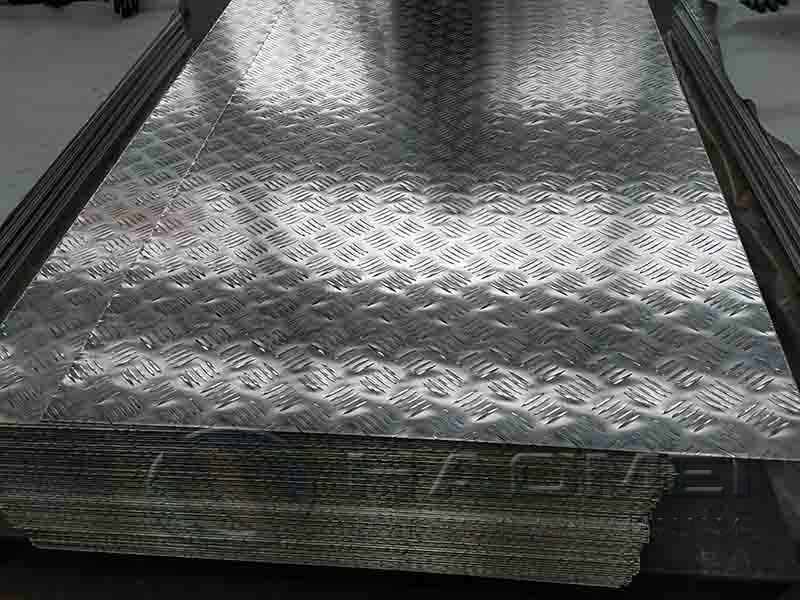
Current market topics affecting demand
Two trends are shaping search interest and procurement decisions.
First, vehicle lightweighting remains important. Aluminum tanker structures can help reduce tare weight compared with heavier material systems, potentially improving payload efficiency where regulations allow.
Second, corrosion-life cost control is receiving more attention. Operators are looking beyond initial plate price to cleaning frequency, downtime, coating needs, and repair intervals. In many tanker applications, corrosion-resistant 5xxx alloys improve lifecycle economics even when the purchase price is not the lowest option.
Questions to ask before placing an order
- Is the alloy supplied to ASTM B209, EN 485, or both?
- What temper is available in my required thickness?
- Is the plate suitable for the intended cargo and cleaning process?
- Will the supplier provide EN 10204 3.1 documents?
- What is the maximum width to reduce weld count?
- Has the material been used in fuel or chemical tanker fabrication before?
- What are the packing and surface protection methods for transport?
Common mistakes to avoid
| Mistake | Risk |
|---|---|
| Choosing only by lowest unit price | Higher fabrication or maintenance cost later |
| Ignoring cargo chemistry | Premature corrosion or contamination issues |
| Not checking standard edition | Mismatch in test or tolerance requirements |
| Overlooking weld performance | Reduced structural reliability in service |
| Buying without traceability | Compliance and quality disputes become harder to resolve |
A strong purchasing decision is usually based on alloy suitability, certified quality, and fabrication compatibility rather than headline price alone. For tanker projects, corrosion resistance is the feature that most often protects long-term value.
Original Source:https://www.aluminumtankerplate.com/a/aluminium-tanker-plate.html
Tags: Aluminium Tanker Plate , 5083 aluminum plate , tanker alloy plate , ADR tanker material , ASTM B209 ,
Prev:Market of Aluminum Semi-trailer Tankers in Canada
Next:How to Choose Aluminum Alloy Plate for Tank Trucks in Thailand