

5182 Aluminum


Potential purchasers often encounter 5182 aluminum when comparing high-formability 5xxx-series alloys for automotive panels, closures, packaging, and formed industrial parts. The questions below reflect recurring English-language search and Q&A wording seen in recent discussions, with practical answers focused on material selection and specification.
1. What is 5182 aluminum used for, and why is it popular for formed parts?
5182 aluminum is a magnesium-containing, non-heat-treatable alloy valued for a useful balance of strength, ductility, corrosion resistance, and forming response. Its manganese addition helps control grain structure and supports stable performance during stamping and shaping operations.
It is especially common where a part must be pressed into a detailed shape without excessive cracking, wrinkling, or uneven surface appearance. Automotive inner panels, body closures, reinforcement components, beverage-can ends, lids, and formed housings are typical applications. Compared with general-purpose 1xxx aluminum, 5182 offers much higher strength. Compared with some stronger 5xxx grades, it can provide more reliable shaping for complex geometries.
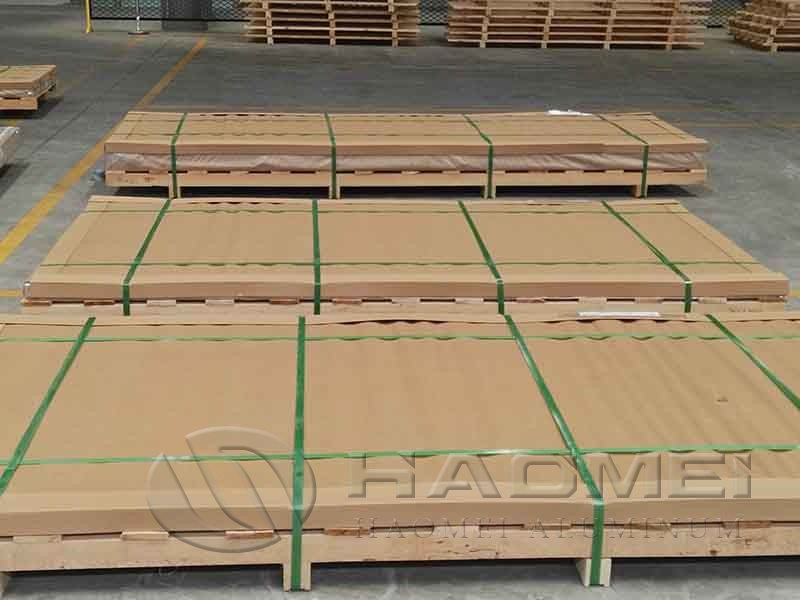
For product availability and standard specifications, Aluminum 5182 is commonly supplied as flat-rolled material in several tempers and thickness ranges. The most suitable condition depends on whether the part will be deeply drawn, stretched, bent, or used with minimal forming.
| Property Area | Why It Matters in 5182 Aluminum |
|---|---|
| Magnesium-based chemistry | Provides solid-solution strengthening and good corrosion resistance. |
| Manganese addition | Supports grain control and processing stability. |
| Non-heat-treatable alloy family | Strength is mainly adjusted through cold work and temper selection. |
| Strong formability | Supports stamped, drawn, and shaped components. |
| Moderate-to-high strength | Helps reduce material gauge in suitable engineered designs. |
2. Is 5182 aluminum stronger than 5052 or 5754 aluminum?
In many common tempers, 5182 aluminum can achieve higher strength than 5052 because it generally contains more magnesium. However, actual mechanical values depend on thickness, temper, production route, and applicable standard. Comparing alloy names alone is not enough for engineering approval.
5182 is often selected when a formed component needs more strength after processing than 5052 can provide. It also has a long record in automotive applications because the alloy responds well to paint-bake cycles and can gain useful strength during manufacturing. This behavior is often called bake hardening, although results vary with prior deformation and baking conditions.
5754 is another widely used 5xxx alloy with good corrosion resistance and practical formability. It may be preferred for general industrial fabrication, transportation panels, and applications where a balanced, broadly available alloy is sufficient. A comparison with Aluminum 5754 should include required elongation, bend radius, surface expectations, and final-service environment.
| Alloy | Relative Strength Tendency | Forming Character | Typical Selection Reason |
|---|---|---|---|
| 5052 | Moderate | Good | General fabricated parts and corrosion resistance. |
| 5182 | Moderate to high | Very good for complex stamping | Formed automotive and closure applications. |
| 5754 | Moderate | Good | Transportation and general industrial components. |
| 5454 | Moderate to high | Good | Elevated-temperature and tanker-related service. |
A higher tensile value is not automatically preferable. If a component has tight draw radii or deep forming features, insufficient elongation can create splits. If the part is primarily flat and needs dent resistance, a harder temper may be more appropriate.
3. Which temper of 5182 aluminum is best for stamping and deep drawing?
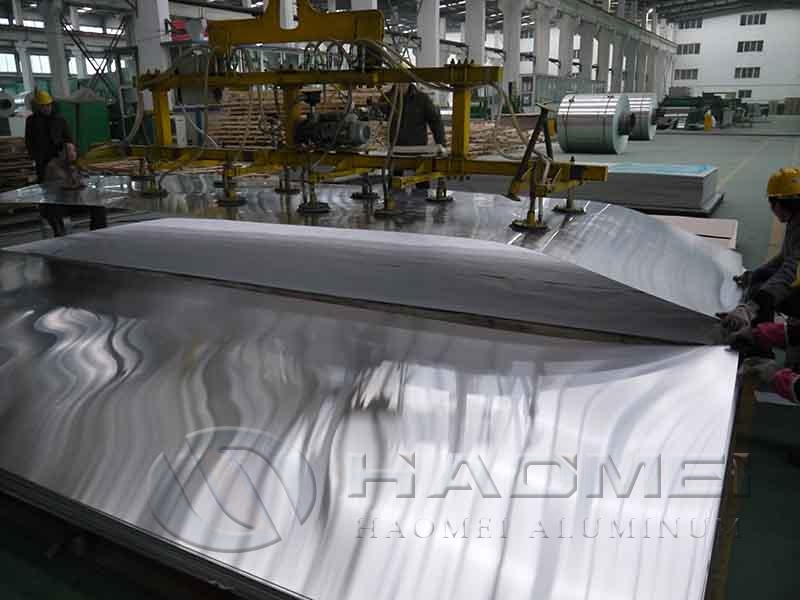
The correct temper depends on the forming severity. Softer tempers generally provide greater elongation and are easier to draw, while harder tempers offer higher initial strength but less forming latitude. Common selections can include O temper for extensive forming and H-temper variants where added strength is needed with moderate shaping.
For deep drawing, purchasers should not specify only "5182 aluminum." The inquiry should state the part geometry, starting gauge, blank dimensions, drawing depth, target bend radius, lubrication method, and whether the material will undergo paint baking. These details allow a producer to recommend a temper and surface condition that match the process.
A practical request can include the following information:
| Specification Item | Example of Useful Detail |
|---|---|
| Alloy and standard | 5182, applicable ASTM, EN, JIS, or customer standard. |
| Temper | O, H111, H19, or an approved automotive condition. |
| Thickness tolerance | Nominal gauge plus allowed variation. |
| Width or blank size | Slit width, cut blank dimensions, or circle diameter. |
| Surface requirement | Mill finish, oiled surface, or controlled appearance. |
| Forming method | Stamping, drawing, bending, spinning, or roll forming. |
For highly visible painted panels, surface consistency is as important as tensile properties. Discuss surface cleanliness, oil level, waviness limits, and coil-to-coil consistency before approving production material.
4. Does 5182 aluminum resist corrosion, and can it be used outdoors?
Yes. Like other 5xxx-series alloys, 5182 aluminum develops a protective oxide film and has good resistance to many atmospheric and moisture-related environments. It can perform well in outdoor and transportation applications when the design prevents standing water, abrasive contamination, and aggressive chemical exposure.
However, corrosion performance should be assessed in the actual service environment. Continuous contact with highly alkaline cleaners, certain industrial chemicals, or dissimilar metals can accelerate damage. Galvanic corrosion is a particular concern when aluminum is directly coupled with stainless steel, copper-containing materials, or other more noble metals in the presence of an electrolyte.
For outdoor assemblies, use compatible fasteners, isolate unlike metals where appropriate, provide drainage paths, and select coatings or sealants based on the finished product's environment. If the application involves prolonged heat exposure, pressure transport, or chemical cargo, another alloy family or a more specialized 5xxx grade may be required.
5. What should I check before ordering 5182 aluminum for a production project?
Start with the finished-part requirement rather than only a target alloy name. Confirm mechanical-property ranges, thickness tolerance, flatness, surface condition, and temper. For stamped components, request test certificates showing tensile strength, yield strength, and elongation for the supplied lot.
It is also useful to confirm the direction of rolling relative to the intended forming operation. Some stamped parts are sensitive to earing, directional behavior, and springback. Trial blanks from the intended production material can identify these issues before full-volume processing.
| Pre-Order Check | Reason for Checking |
|---|---|
| Applicable standard and alloy designation | Avoids confusion between similar regional designations. |
| Temper and mechanical range | Determines strength and forming allowance. |
| Thickness, width, and tolerance | Affects tooling setup, yield, and fit-up. |
| Surface finish and oiling | Influences painting, lubrication, and appearance. |
| Certificate requirements | Supports traceability and incoming inspection. |
| Packaging method | Reduces edge damage, moisture exposure, and handling marks. |
For a component that will be formed and then painted, ask whether the selected 5182 condition is compatible with the planned bake cycle. This single detail can affect final strength, dimensional stability, and the consistency of the finished part.
Original Source:https://www.aluminumtankerplate.com/a/5182-aluminum.html
Tags: 5182 aluminum , 5182 aluminum alloy , aluminum 5182 properties , 5182 temper ,
Prev:5182 Aluminum Alloy