

5754 Aluminum Sheet


For high-volume fabricators, the main concern with 5754 aluminum sheet is not only strength. It is whether the material will resist corrosion after forming, welding, road salt exposure, fuel contact, or outdoor service. EN AW-5754, often specified as Aluminum 5754, is a non-heat-treatable Al-Mg alloy widely used for tanks, marine panels, transport bodies, floors, and formed components.
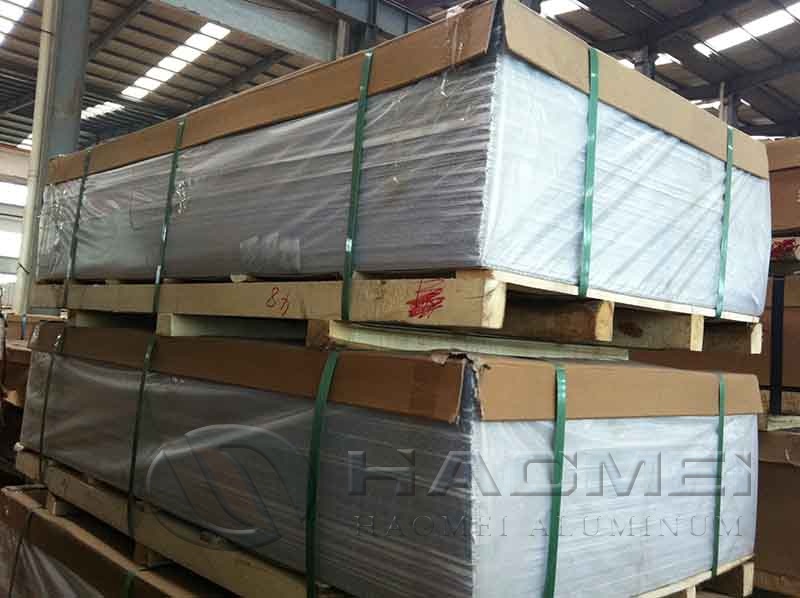
Why corrosion resistance is the main purchasing concern
5754 belongs to the 5xxx aluminum-magnesium family. Its corrosion performance comes mainly from magnesium solid-solution strengthening, not heat treatment. According to EN 573-3 composition practice, EN AW-5754 contains about 2.6-3.6% Mg, with controlled limits for Mn, Fe, Si, Cu, Zn, Cr, and Ti. Lower copper content is one reason the alloy performs well in wet and mildly chemical environments.
For tank, trailer, and marine projects, corrosion failure is expensive because it can trigger leaks, weld repairs, coating failure, or rejected assemblies. 5754 is often selected when the project needs a practical balance of corrosion resistance, formability, weldability, and cost.
Typical alloy data to verify on the mill certificate
| Item | Common reference value or requirement | Why it matters |
|---|---|---|
| Alloy designation | EN AW-5754, AA 5754 | Confirms the correct 5xxx alloy family |
| Main alloying element | Mg about 2.6-3.6% under EN 573-3 | Supports corrosion resistance and strength |
| Density | About 2.66 g/cm3 | Helps calculate trailer, tank, and panel weight |
| Supply standards | EN 485 series, ASTM B209, or project standard | Controls tolerances, test method, and acceptance |
| Weldability | Good with suitable filler and procedure | Reduces fabrication risk on tanks and frames |
| Heat treatment | Not strengthened by heat treatment | Temper is controlled by strain hardening and annealing |
Always request a certificate matching the ordered standard. Do not accept only a commercial alloy name when pressure, fuel, marine, or road transport parts are involved.
Temper selection: match forming and strength
The same alloy can behave differently depending on temper. Selecting the wrong temper can cause cracking during bending or insufficient dent resistance after assembly.
| Application need | Suggested temper direction | Practical note |
|---|---|---|
| Deep drawing, tight bending, spinning | O or H111 | Best choice when formability is the first priority |
| General panels and covers | H22 or H32 | Balanced strength and moderate forming ability |
| Truck floors, tread plate, reinforced panels | H24 or H34 | Higher strength, less forgiving in sharp bends |
| Welded tanks and marine structures | H111, H22, project-approved temper | Confirm weld procedure and post-weld strength assumptions |
If the part has a bend radius smaller than the material thickness, run a forming trial before confirming a full production order. For repeat programs, keep the same mill, temper, surface, and thickness tolerance to reduce springback variation.
5754 vs common alternatives
Choosing a substitute only by price can create hidden risk. Use the comparison below when reviewing tank, marine, and transport specifications.
| Alloy | Relative strength | Corrosion resistance | Formability | Typical reason to choose |
|---|---|---|---|---|
| 5052 | Medium | Good | Good | General fabrication and lower-stress panels |
| 5754 | Medium to good | Very good | Very good in soft tempers | Tanks, marine panels, vehicle parts, formed assemblies |
| 5083 | Higher | Excellent | Lower than 5754 | Heavy marine structures and high-strength plate work |
| 5454 | Medium to good | Good at elevated service temperatures | Moderate | Tanker and pressure-related applications where approved |
For transport tanks, many fabricators compare 5754 with certified Aluminum Tanker Plate options because the final decision may depend on code approval, welding procedure qualification, and design stress rather than alloy name alone.
Standards and compliance points that reduce rejection risk
Use a clear specification package. For European orders, EN 573-3 defines chemical composition, while EN 485 covers sheet and plate requirements such as mechanical properties and tolerances. For North American purchasing, ASTM B209 is commonly referenced for aluminum and aluminum-alloy sheet and plate.
For welded assemblies, welding procedures may need qualification under standards such as ISO 15614-2, and welder qualification may follow EN ISO 9606-2. If the finished product enters automotive, electrical, or EU supply chains, check REACH, RoHS where applicable, and customer-specific restricted substance lists.
A current sourcing trend is carbon reporting. Aluminum is included in the EU Carbon Border Adjustment Mechanism under Regulation (EU) 2023/956, with a transitional reporting phase that started on October 1, 2023 and a definitive phase planned from 2026. If shipments enter the EU, ask suppliers for emissions data, recycled-content declaration where available, and traceable production route documentation.
Pricing: what actually drives the quote
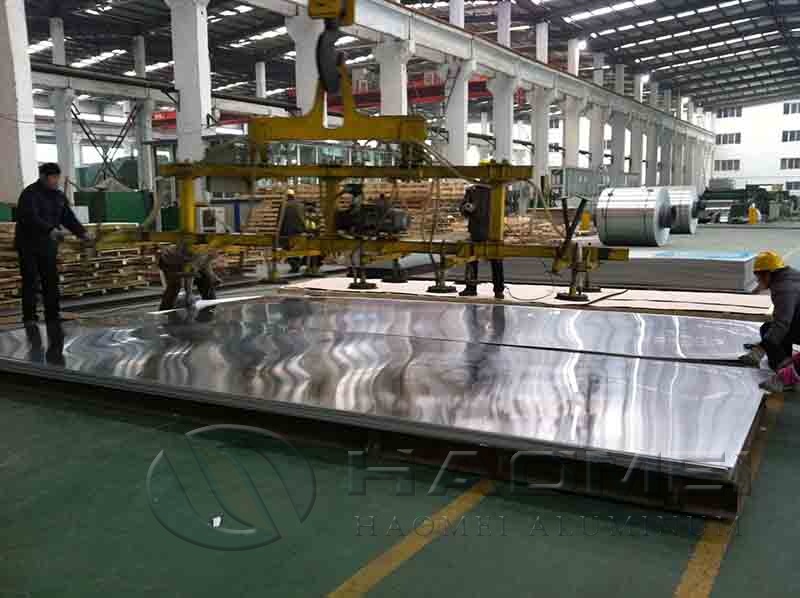
The price of 5754 flat rolled material is usually built from several components, not a single alloy number.
| Price component | What to check |
|---|---|
| Aluminum base | LME official cash settlement or another agreed index |
| Regional premium | Location, import route, and duty exposure |
| Conversion cost | Thickness, width, temper, surface, flatness, and slit tolerance |
| Testing | Tensile testing, chemical analysis, ultrasonic testing if required |
| Packaging | Seaworthy pallets, interleaving paper, PE film, or export crate |
| Freight and risk terms | Incoterms, insurance, port congestion, and delivery schedule |
Large orders should not be awarded on unit price alone. A cheaper quote may use wider tolerances, mixed coils, uncertain temper control, or weak packaging. These issues can cost more than the initial saving during cutting, forming, or welding.
RFQ checklist for fewer production problems
Use the following checklist before sending an inquiry or approving a contract:
Alloy: EN AW-5754 or AA 5754, with chemical composition standard named.
Product form: state plate or sheet, required thickness, width, length, and quantity.
Temper: O, H111, H22, H32, H24, H34, or drawing-approved equivalent.
Thickness tolerance: specify EN 485, ASTM B209, or tighter project tolerance.
Surface: mill finish, PVC film, one-side protected, or both-side protected.
Flatness: define required class if the material will be laser cut or automated welded.
Edge condition: mill edge, slit edge, deburred edge, or saw-cut plate.
Certificate: request EN 10204 3.1 or the inspection document required by the project.
Welding: state filler metal, weld procedure requirement, and any bend test demand.
Packaging: define moisture protection, pallet weight limit, and container loading plan.
Carbon data: request recycled-content statement and emissions data when needed for EU or global OEM reporting.
For tanks, marine panels, and transport structures, 5754 aluminum sheet performs best when corrosion resistance is treated as a specification requirement, not an assumption. Confirm alloy, temper, tolerance, surface protection, and documentation before price approval, and run a forming or welding trial when the part geometry is severe.
Original Source:https://www.aluminumtankerplate.com/a/5754-aluminum-sheet.html
Tags: 5754 aluminum sheet , EN AW-5754 , aluminum tank plate , H111 aluminum , corrosion resistant aluminum ,
Prev:Aluminium 5083 H111
Next:5083 H321