

Aluminum Sheet for Car Air Reservoir


Understanding Aluminum Sheet for Car Air Reservoirs
An air reservoir stores compressed air for braking, suspension, door systems, and other pneumatic functions on commercial vehicles and special-purpose vehicles. While steel remains widely used for many air tanks, aluminum can be considered where weight reduction, corrosion resistance, and engineered pressure-vessel design support its use.
For tank trucks, weight saved in auxiliary systems can contribute to higher payload potential, better fuel efficiency, and easier corrosion management. However, an aluminum sheet for car air reservoir must not be selected in the same way as a general body panel or fuel-tank shell. The material, thickness, forming process, welding procedure, pressure rating, and inspection plan must match the reservoir design and applicable vehicle regulations.
A reliable sourcing process starts with the actual service conditions. Procurement teams should confirm the operating pressure, design temperature, internal moisture exposure, installation location, vibration load, bracket design, and required service life. Reservoirs exposed to road salt, humid compressed air, or frequent pressure cycles need particular attention to corrosion behavior and fatigue performance.
Alloy and Temper Selection for Special Vehicles
Heat-treatable and non-heat-treatable aluminum alloys have different strengths, welding characteristics, and post-weld properties. For fabricated vehicle reservoirs, 5xxx-series alloys are often considered because they offer good corrosion resistance and weldability. The final choice should be made by the reservoir designer and qualified fabricator, not by alloy name alone.
For example, Aluminium 5083 is commonly used in transport equipment requiring corrosion resistance and welded structural performance. It is also familiar in liquid transport equipment. Nevertheless, its suitability for a pressurized air reservoir depends on the approved vessel design, thickness calculation, weld qualification, and local compliance requirements.
Aluminum 5454 is another alloy used in transport applications, especially where corrosion resistance and forming performance are valued. It may be evaluated for special-vehicle components, but the material certificate must be reviewed against the engineering specification rather than substituted based only on nominal alloy equivalence.
| Selection Item | What to Confirm | Why It Matters |
|---|---|---|
| Alloy | Exact alloy designation and applicable standard | Determines corrosion resistance, strength, and welding behavior. |
| Temper | H32, H34, O, or project-specified temper | Affects bendability, strength, and forming limits. |
| Thickness | Nominal thickness and tolerance range | Pressure capacity depends on actual wall thickness. |
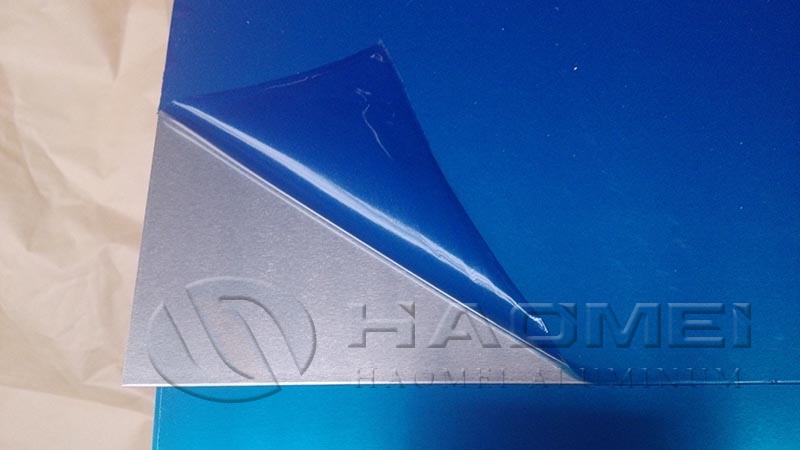
| Surface | Mill finish, clean surface, no deep scratches | Surface defects can affect forming and inspection. |
| Plate direction | Rolling direction and forming orientation | Supports repeatable forming and reduced cracking risk. |
| Documentation | Mill test certificate and lot traceability | Helps maintain compliance and quality control. |
The temper should be selected together with the manufacturing route. Deep drawing, spinning, rolling, stamping, and welded-cylinder fabrication place different demands on the sheet. A higher-strength temper can reduce forming flexibility, while a softer temper may need a thicker wall to meet structural requirements. Material suppliers should provide clear mechanical-property data for the ordered thickness, not only typical values from a brochure.
Procurement Checks for Tank Truck and Air Reservoir Sheet
Tank truck manufacturers are familiar with the benefits of aluminum in cargo tanks, frames, covers, and auxiliary equipment. Yet an air reservoir is a pressure-containing component. Its material approval process should include more controls than a non-pressurized panel.
First, define the governing standard before requesting quotations. Depending on the vehicle market and reservoir application, this may involve road vehicle rules, pressure equipment requirements, customer specifications, or recognized material standards such as EN, ASTM, or relevant national standards. The fabricator should verify whether aluminum air reservoirs are permitted for the intended vehicle class and jurisdiction.
Second, request a complete material package. At a minimum, this normally includes a mill test certificate showing alloy, temper, chemical composition, tensile properties, thickness, width, coil or plate number, and heat or batch identification. For critical projects, confirm whether ultrasonic testing, surface inspection, or additional testing is required by the engineering specification.
Third, align the sheet dimensions with production efficiency. Wider sheets may reduce longitudinal welds in cylindrical shells, but they may also require larger handling equipment and create more scrap if blank sizes are poorly planned. A practical order should consider blank layout, head forming, trim allowance, weld-joint position, and available press capacity.
For welded air reservoirs, the fabricator should qualify welding procedures for the selected alloy and thickness. Welding changes the local mechanical condition of aluminum, especially near the heat-affected zone. Engineering calculations should use appropriate design values for the welded condition. Do not assume that base-metal strength applies across a completed welded vessel.
| Procurement Question | Recommended Supplier Response |
|---|---|
| Can the supplier provide consistent thickness tolerance? | Provide standard tolerance, inspection method, and certificate data. |
| Is the material suitable for forming? | Confirm temper, bend capability where available, and recommended forming direction. |
| Can each shipment be traced? | Mark bundles or sheets with lot information linked to certificates. |
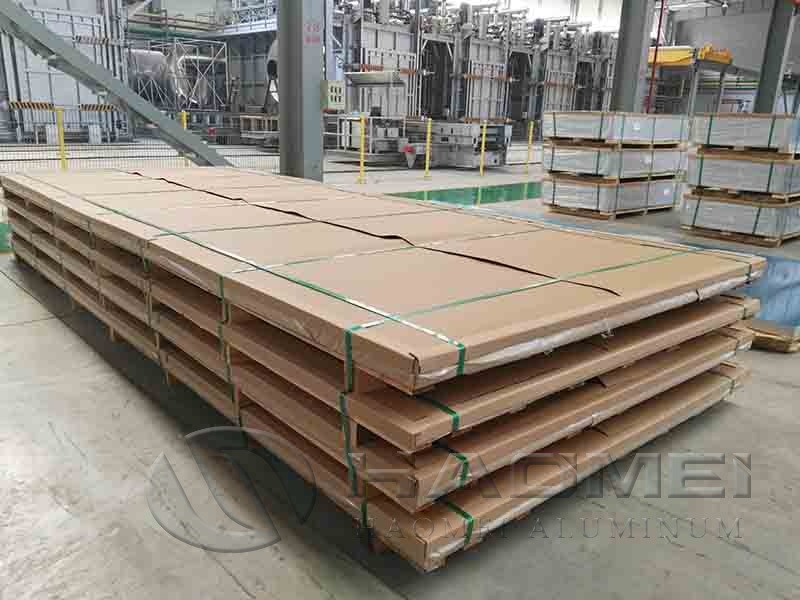
| Is protective packaging available? | Use paper, film, pallets, and moisture protection suitable for transport. |
| Can samples be supplied for trials? | Offer representative samples from the proposed alloy and temper. |
Quality, Storage, and Cost Control
Price should be reviewed as a total supply cost rather than only a price per kilogram. A lower-priced sheet can become expensive if it causes cracking during forming, inconsistent weld performance, excessive trim loss, or delayed certification review. For recurring tank truck programs, stable alloy sourcing and documented batch control often provide more value than frequent changes in material origin.
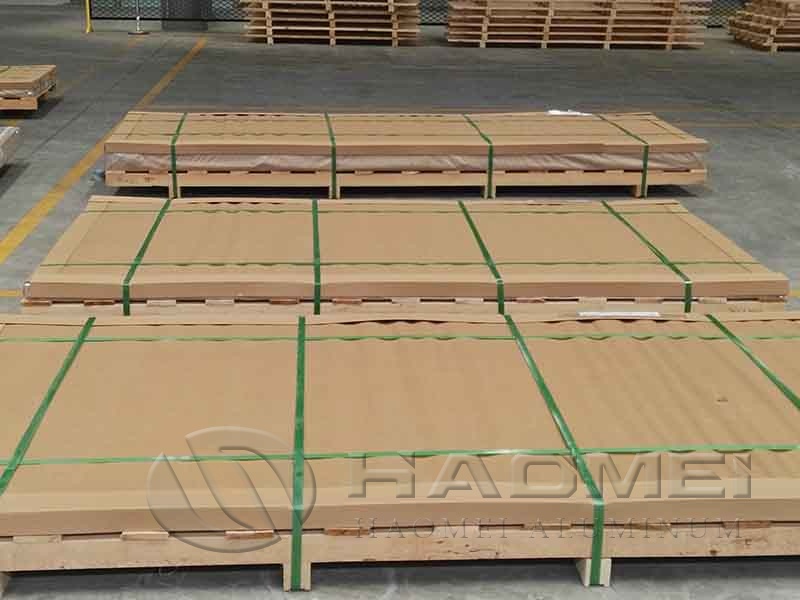
Storage also affects usable quality. Keep aluminum sheets dry, clean, and protected from standing water, chloride contamination, and contact with dissimilar metals. Condensation trapped between stacked sheets can cause water staining. Forklift handling should avoid edge dents and surface gouges, particularly on blanks intended for pressure-containing shells or formed end caps.
When comparing suppliers, ask for the production lead time, minimum order quantity, available widths, packaging method, certificate format, and capability to maintain the same alloy-temper combination over future orders. For special vehicles and tanker-related production, consistent supply is important because qualification trials, forming tools, and welding procedures are normally tied to a defined material condition.
A well-written purchase specification should state the alloy, temper, dimensions, tolerance, applicable standard, required certificates, surface condition, packaging, traceability, and acceptance criteria. This gives the sheet producer, fabricator, and vehicle manufacturer a common technical basis before production starts.
Original Source:https://www.aluminumtankerplate.com/a/aluminum-sheet-for-car-air-reservoir.html
Tags: Aluminum Sheet for Car Air Reservoir , Aluminum Tank Truck Plate ,
Prev:5754 Aluminum Plate