

5454 Aluminum Sheet


Transport tanks face a demanding combination of road vibration, cyclic loading, corrosion exposure, and, in some applications, elevated product temperatures. 5454 aluminum sheet is frequently specified where standard 5xxx-series material may lose too much strength after long heat exposure.
The central purchasing concern is not simply nominal alloy grade. It is whether delivered material has the right temper, mechanical properties, surface condition, traceability, and forming capability for a safe tank structure. This article explains how to control those variables before fabrication starts.
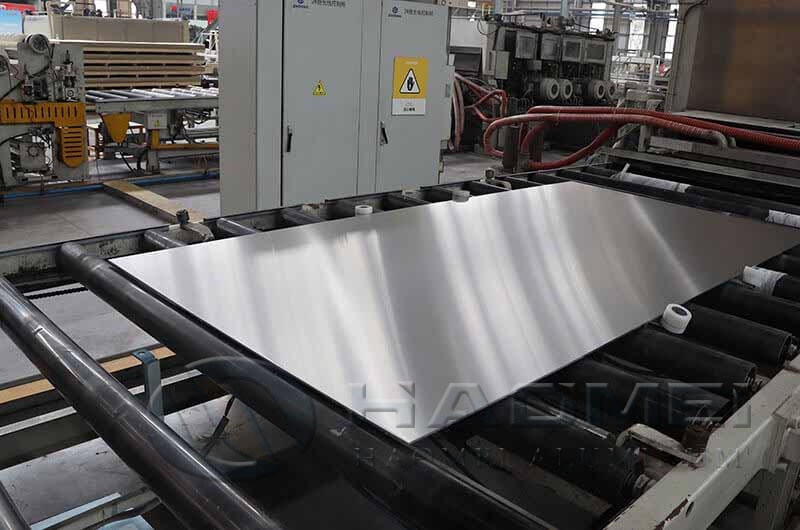
Why 5454 Performs in Heated Tanker Service
5454 is a non-heat-treatable aluminum-magnesium alloy with manganese and chromium additions. It was developed for applications requiring useful strength and corrosion resistance at moderately elevated temperatures, notably asphalt, chemical, and petroleum transport equipment.
Under ASTM B209/B209M, the applicable product specification for aluminum and aluminum-alloy plate and sheet, the chemistry of 5454 includes 2.4%-3.0% magnesium and 0.50%-1.0% manganese. Copper is limited to 0.10% maximum. These controls matter because alloy chemistry affects corrosion behavior, weldability, and mechanical stability in service.
| Property to control | Why it matters for tank fabrication | What to request |
|---|---|---|
| Alloy chemistry | Confirms the material is 5454, not a visually similar substitute | Mill test report with heat number and chemical analysis |
| Temper | Determines forming response and strength | Exact temper, commonly H32 or H34 where suitable |
| Thickness tolerance | Affects formed geometry, mass, and structural calculations | ASTM B209/B209M tolerance requirement |
| Mechanical properties | Supports engineering verification | Tensile strength, yield strength, elongation results |
| Surface quality | Reduces cracking and contamination risks during forming | Surface acceptance criteria and protective-film requirement |
A practical distinction is temperature exposure. Many 5xxx alloys are reliable in general atmospheric and marine environments, but extended service at higher temperatures can change their strength and corrosion-cracking resistance. For hot-product tankers, the selected alloy must be evaluated against actual cargo temperature, insulation performance, dwell time, and regulatory design requirements.
For applications using petroleum or asphalt cargoes, Tanker Plate specifications should be aligned with the fabricator's approved design code, welding procedure, and service-temperature assumptions. The metal alone does not certify a completed tank.
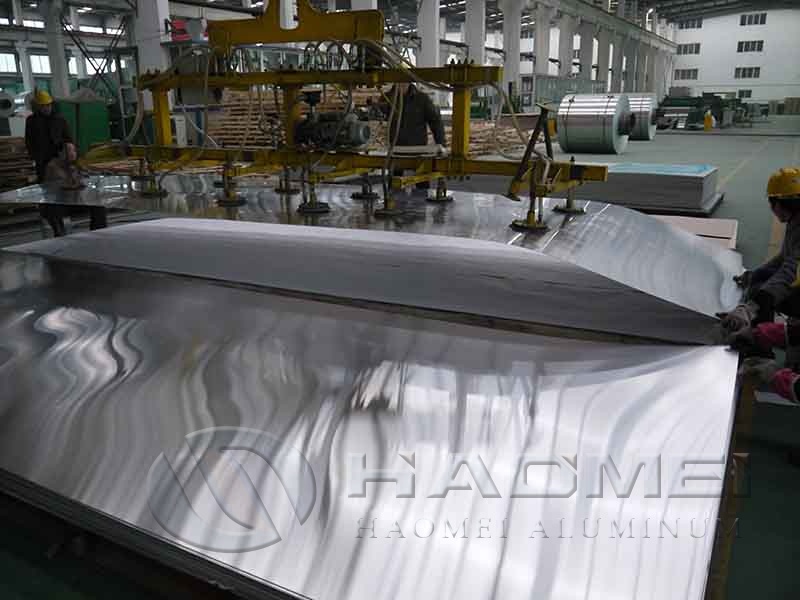
Select Temper and Processing Conditions Before Ordering
Temper selection is often the point where an otherwise correct material order becomes difficult to form. H32 and H34 are strain-hardened, stabilized tempers. Higher-strength temper can reduce denting, but it also lowers available formability for dished ends, tight radii, and deep forming operations.
Use this working comparison during specification review.
| Option | Relative strength | Relative formability | Suitable use case | Control point |
|---|---|---|---|---|
| 5454-H32 | Medium | Good | Formed tanker components and panels | Confirm minimum bend radius with fabricator |
| 5454-H34 | Higher | Moderate | Flatter panels needing improved dent resistance | Validate forming trials before production |
| 5454-O | Lower | Highest | Severe forming or complex shapes | Confirm whether post-form strength is adequate |
| 5083 | Higher in many tempers | Application-dependent | Marine and high-strength welded structures | Assess elevated-temperature service separately |
Do not specify temper by habit. Provide the minimum inside bend radius, direction of bend relative to rolling direction, final formed geometry, and whether the component will be welded. A production trial using the planned thickness and temper is preferable to qualifying material through generic bend assumptions.
The difference between 5454 and Aluminium 5083 is especially relevant when a project moves from marine structures to hot-cargo transport. 5083 is widely used for high-strength welded construction, while 5454 is traditionally selected where elevated-temperature tanker service is a design driver. The engineering team should compare certified properties at the intended service condition rather than relying on room-temperature data alone.
Welding also needs control. 5xxx-series aluminum is commonly joined by GMAW or GTAW, but final weld procedure selection belongs to the qualified fabricator. Filler alloy choice, heat input, joint preparation, and cleaning practice affect weld appearance and performance. Avoid steel-tool contamination, moisture, oil, and heavy oxide on weld surfaces.
Inspection Checklist and RFQ Requirements
Current aluminum sourcing increasingly includes requests for traceability, recycled-content evidence, and product-carbon data. These requests should be handled as separate documented requirements. Recycled content does not automatically establish mechanical properties, and a carbon declaration does not replace an alloy certificate or inspection record.
Use the following checklist in each RFQ and purchase order.
- State the alloy as 5454 and identify the required product standard, such as ASTM B209/B209M, including the revision required by the project.
- Specify form, thickness, width, length, temper, and permitted dimensional tolerances.
- Define the intended service: cargo type, maximum product temperature, external environment, and expected fabrication method.
- Require a mill test report tied to each heat or lot, including chemistry, mechanical test results, dimensions, and temper.
- State surface requirements: mill finish, PVC film if needed, edge condition, flatness expectations, and allowable cosmetic marks.
- Identify testing needed beyond the base standard, such as ultrasonic examination, positive material identification, bend testing, or third-party inspection.
- Set packaging controls for moisture protection, edge protection, pallet stability, and package labeling.
- Request documentation separately for origin, recycled content, environmental product declarations, or carbon-footprint calculations when contractually required.
| Pre-production question | Acceptable evidence | Risk if omitted |
|---|---|---|
| Is the alloy chemistry compliant? | Heat-specific mill test report | Wrong alloy substitution |
| Is the temper correct? | Certificate plus marking on package | Forming cracks or inadequate stiffness |
| Will it fit the forming process? | Approved trial record or bend validation | Rework and yield loss |
| Is it suitable for service temperature? | Project engineering review using certified data | Premature loss of performance |
| Is traceability maintained? | Heat number on material and shipping documents | Inability to investigate nonconformance |
Pricing should be compared on a like-for-like basis. Separate the published aluminum market reference, regional premium, conversion charge, alloy and temper differential, freight, packaging, inspection, and payment terms. A lower quoted figure can conceal missing testing, looser tolerances, or a different temper. For tanker material, the cost of a failed forming run or undocumented heat usually exceeds the apparent saving on the initial order.
Original Source:https://www.aluminumtankerplate.com/a/5454-aluminum-sheet.html
Tags: 5454 Aluminum Sheet , Aluminum 5454 ,
Prev:5182 Aluminum Plate Price
Next:AW 5754 Aluminum